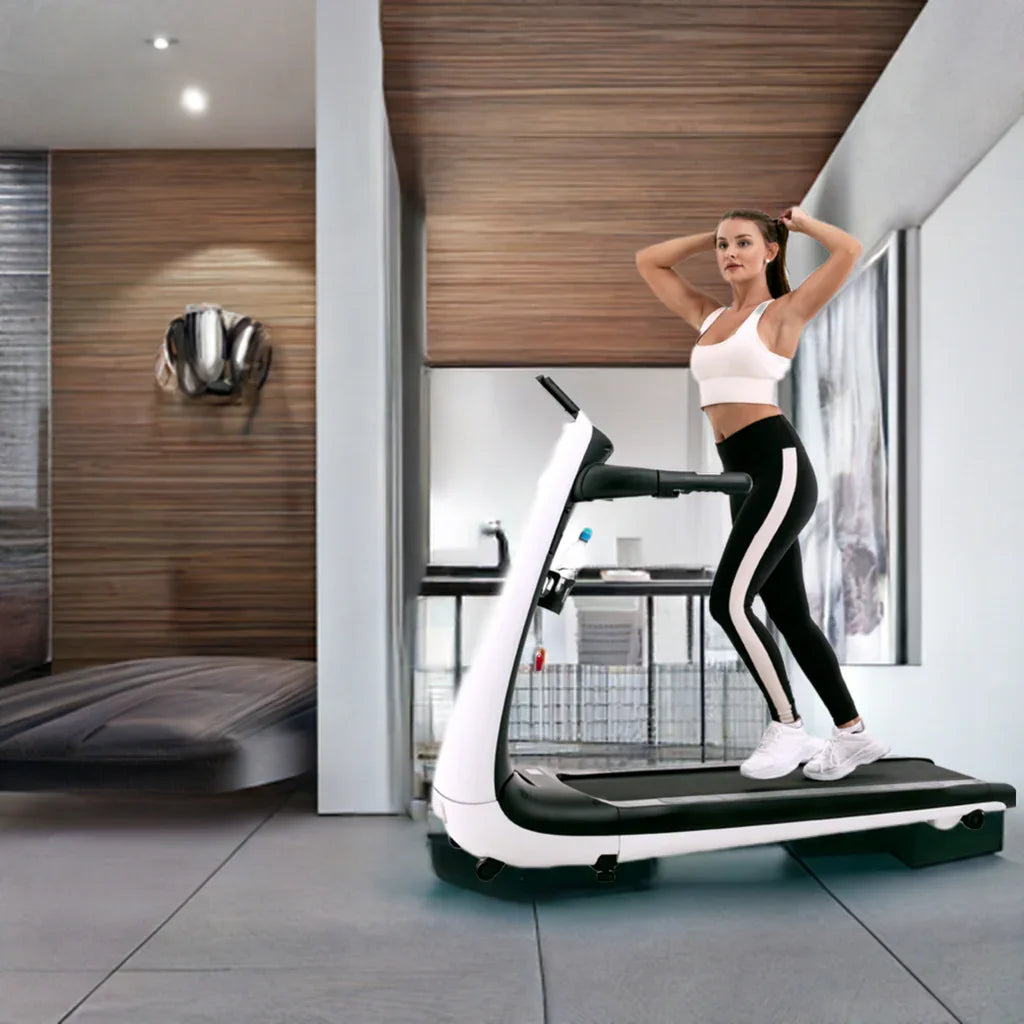


More seniors are choosing to walk at home — not because they want complex equipment, but because they want something that fits easily into daily life. Compact treadmills designed for walking are increasingly becoming part of everyday routines, offering a familiar and repeatable way to stay active indoors.
Rather than treating walking as a separate “exercise session,” many seniors are weaving it naturally into their day: a short walk in the morning, a steady pace in the afternoon, or a relaxed routine in the evening.
Why Compact Treadmills Appeal to Seniors
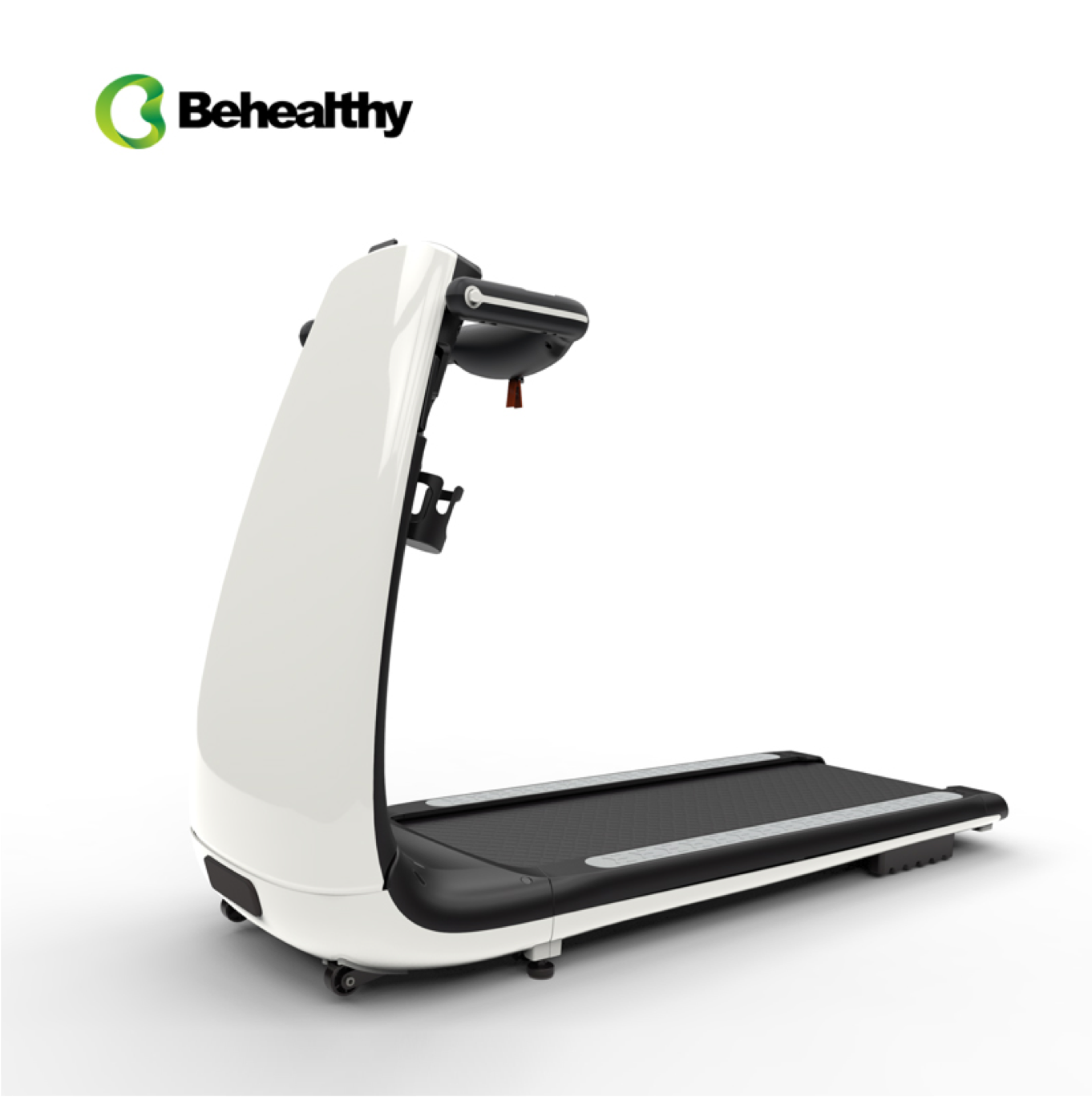
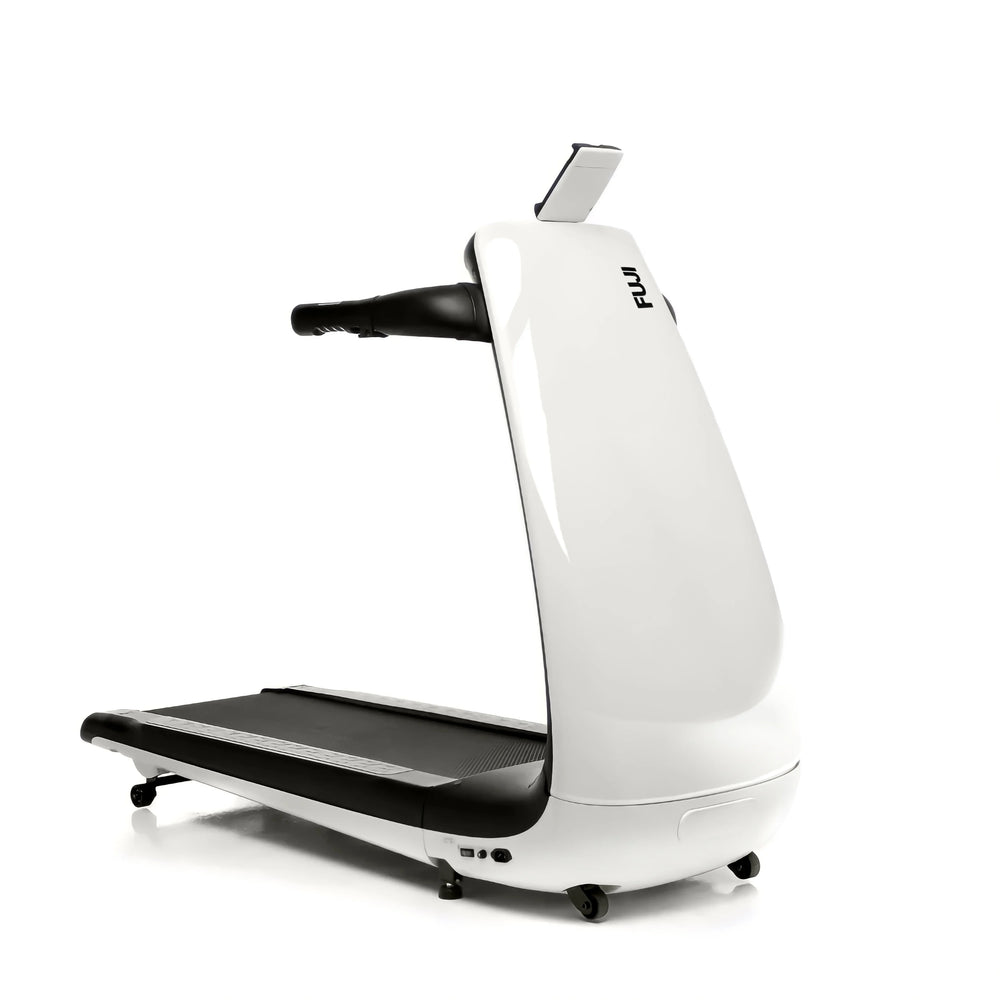
Large, gym-style treadmills can feel overwhelming at home. Compact treadmills, by contrast, feel approachable. Their size, layout, and walking-first focus make them easier to live with — and easier to use regularly.
This aligns closely with what many seniors value most: comfort, simplicity, and consistency rather than performance features.

How Walking Fits Into Daily Life
For many seniors, walking at home removes the small barriers that can interrupt routine. There’s no need to plan routes, check the weather, or prepare to go out. Walking becomes something that can happen whenever it feels right.
This ease supports steady habits similar to those described in Tai Chi–inspired walking routines, where rhythm and regularity matter more than distance or speed.
Short, repeatable sessions often feel more manageable than longer walks, and over time, consistency becomes the defining feature of the routine.
Comfort and Familiarity Build Confidence
Using the same treadmill each day builds familiarity. Seniors often describe walking as feeling more relaxed once the movement pattern becomes familiar and predictable.
This comfort mirrors the principles behind comfortable daily walking on a treadmill, where ease of use and feel matter more than advanced settings.

Walking Styles Seniors Commonly Use
Seniors use compact treadmills in different ways, depending on preference and routine:
- Slow, steady walking focused on rhythm
- Short walks spread across the day
- Controlled walking that supports balance and posture
Many of these approaches overlap with balance-focused treadmill walking and slow, controlled walking routines, where movement quality is prioritised.
Why Home Walking Often Wins Over Outdoor Walking
Outdoor walking has its place, but indoor walking often proves more reliable. Seniors frequently mention that walking at home feels easier to maintain day after day, especially when compared with outdoor walking affected by weather and uneven paths.
This comparison is explored further in walking at home versus outdoors, where routine and predictability play a central role.
Choosing a Treadmill That Fits Real Life
The most commonly used treadmills are not the most complex ones — they’re the ones that feel easy to return to. Compact treadmills designed around walking fit naturally into homes and support routines without drawing attention to themselves.
If you’re exploring treadmills designed specifically for everyday walking, you can view the Fuji BeHealthy treadmill or browse more options at Fuji Health Treadmills.
FAQ
Are compact treadmills suitable for seniors?
Yes. Compact treadmills designed for walking are often easier to use and fit more naturally into daily routines at home.
How often do seniors typically walk at home?
Many prefer short, regular sessions spread throughout the week rather than longer, infrequent walks.
Do seniors use treadmills only for walking?
Most seniors use compact treadmills primarily for steady walking rather than performance-focused activity.
Why is home walking popular with seniors?
Home walking offers consistency, comfort, and convenience without relying on outdoor conditions.