

Comfort is what determines whether a treadmill becomes part of your daily routine or something that sits unused. For people who walk regularly at home, comfort isn’t about performance features or intensity. It’s about how the treadmill feels underfoot, how easy it is to step on and off, and whether the experience encourages you to come back tomorrow.
When walking is the goal — not running — the definition of a “good treadmill” changes. Daily walking asks for consistency, familiarity, and ease rather than speed or challenge.
Why Comfort Matters for Daily Walking
Most walking routines don’t fail because people stop wanting to walk. They fade because the experience feels awkward, noisy, or inconvenient. Comfort removes those barriers.
A comfortable treadmill supports walking that feels natural. You don’t have to think about the machine while you’re on it. You simply walk — and that simplicity is what makes daily use realistic.

The Feel of the Walking Surface
One of the first things people notice when walking daily is how the belt feels. A walking surface that feels stable and forgiving encourages smoother steps and a steadier rhythm.
For daily routines, the goal isn’t firmness or bounce — it’s consistency. Each step should feel predictable, allowing your body to settle into a comfortable walking pattern without distraction.
Ease of Use Makes Walking Repeatable
If using a treadmill feels like a process — adjusting settings, navigating controls, or preparing the space — it becomes harder to use it every day. Comfortable treadmills remove friction.
Simple controls, a clear display, and an intuitive layout all support walking that fits into normal life rather than interrupting it.

Noise and Rhythm
Daily walking often happens early in the morning or later in the evening. A treadmill that supports a smooth, steady rhythm without drawing attention to itself fits better into shared living spaces.
When the movement feels calm and predictable, walking becomes something you associate with routine rather than disruption.
Space and Visual Comfort
Comfort isn’t only physical. It’s also visual and spatial. A treadmill that feels oversized or intrusive can quietly discourage use, even if it performs well.
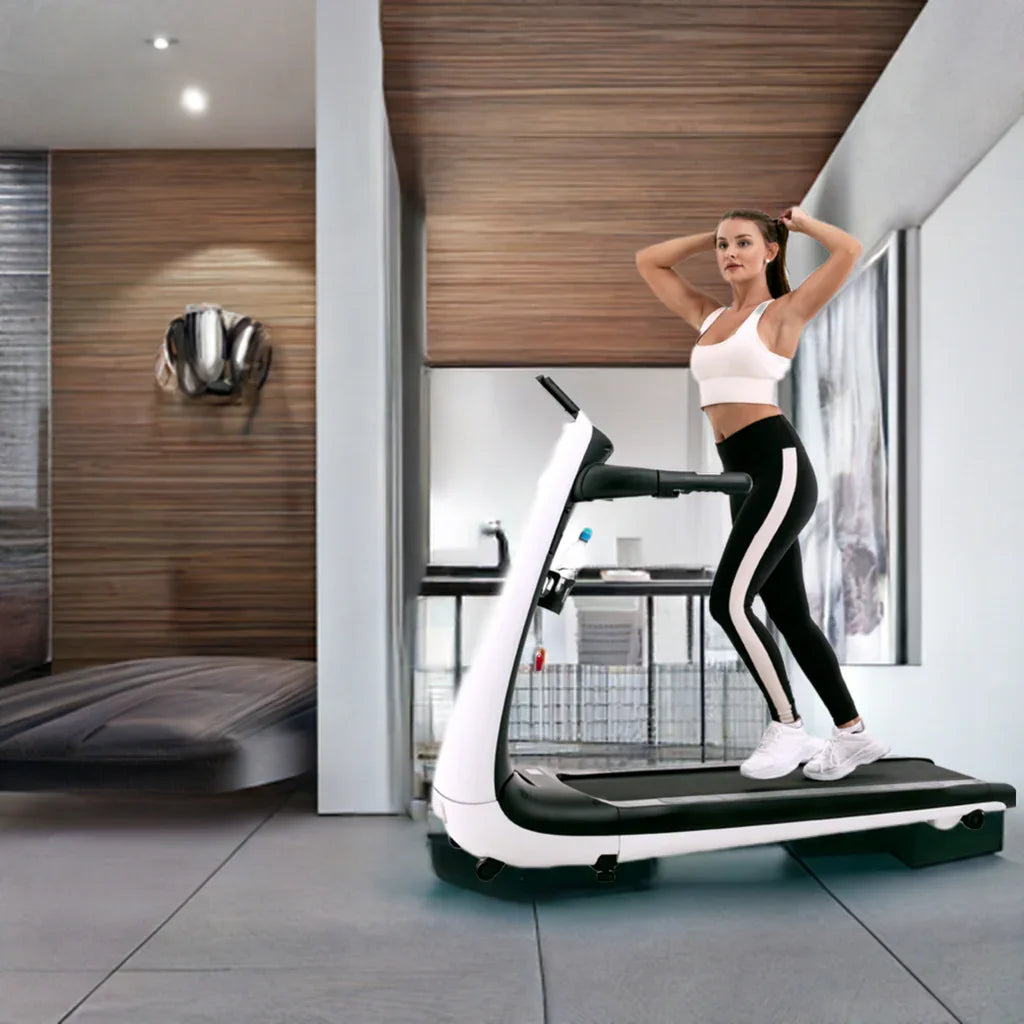
Walking-first treadmills designed for home use tend to integrate more naturally into living spaces. When the treadmill feels like it belongs in the room, it’s easier to use it consistently.
This is one reason many people choose a compact treadmill designed for daily walking rather than a larger, gym-style model.
Comfort Over Time
The true test of comfort isn’t how a treadmill feels on the first walk — it’s how it feels after weeks of regular use. Walking should still feel familiar and inviting, not something you have to push yourself to do.
When comfort is built into the design, walking becomes part of your day rather than an event you have to plan for.
How This Connects With Walking Routines
People who prioritise comfort often build more consistent routines. Many combine daily walking with approaches like slow, controlled walking or balance-focused treadmill walking, where rhythm and ease matter more than pace.
These styles rely on comfort to work — without it, the routine quickly feels forced.
FAQ
What makes a treadmill comfortable for daily walking?
A stable walking surface, simple controls, quiet operation, and a size that fits naturally into the home all contribute to comfort.
Is comfort more important than speed options?
For daily walking routines, comfort and ease of use tend to matter more than maximum speed or performance features.
Can a compact treadmill still be comfortable?
Yes. Compact treadmills designed for walking can offer a comfortable, repeatable experience without taking over the room.
Why does comfort affect consistency?
When walking feels easy and familiar, it’s much easier to repeat daily without hesitation or resistance.