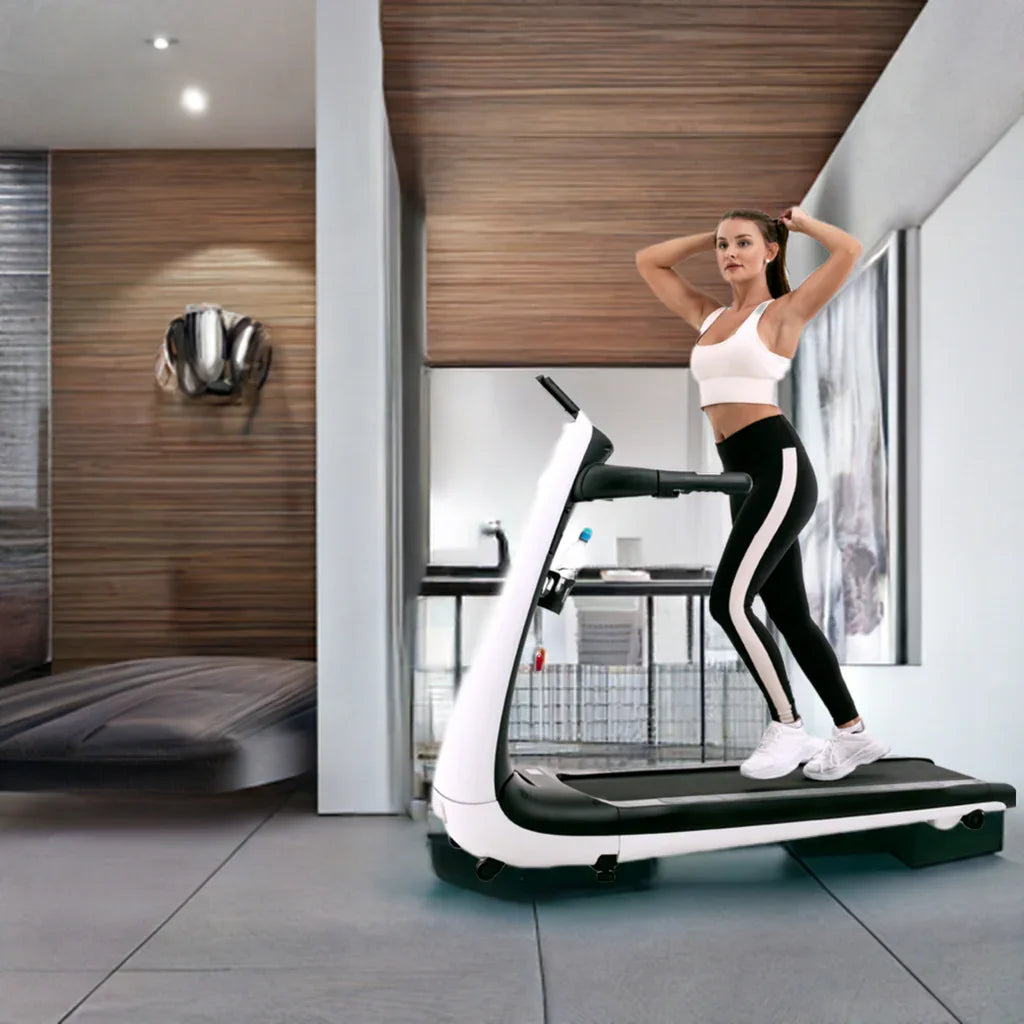


Balance-focused walking isn’t complicated, but it is purposeful. Instead of pushing for speed or distance, this style invites you to pay attention to how your body moves: the gentle shift of weight from one foot to the other, relaxed posture, and a steady, calm rhythm. When practised on a treadmill at home, balance-focused walking can feel natural, comfortable, and sustainable.
Balance-focused walking often develops naturally from Tai Chi-inspired movement. If you’re interested in the foundations of this approach, it helps to revisit how Tai Chi walking works on a treadmill at home.
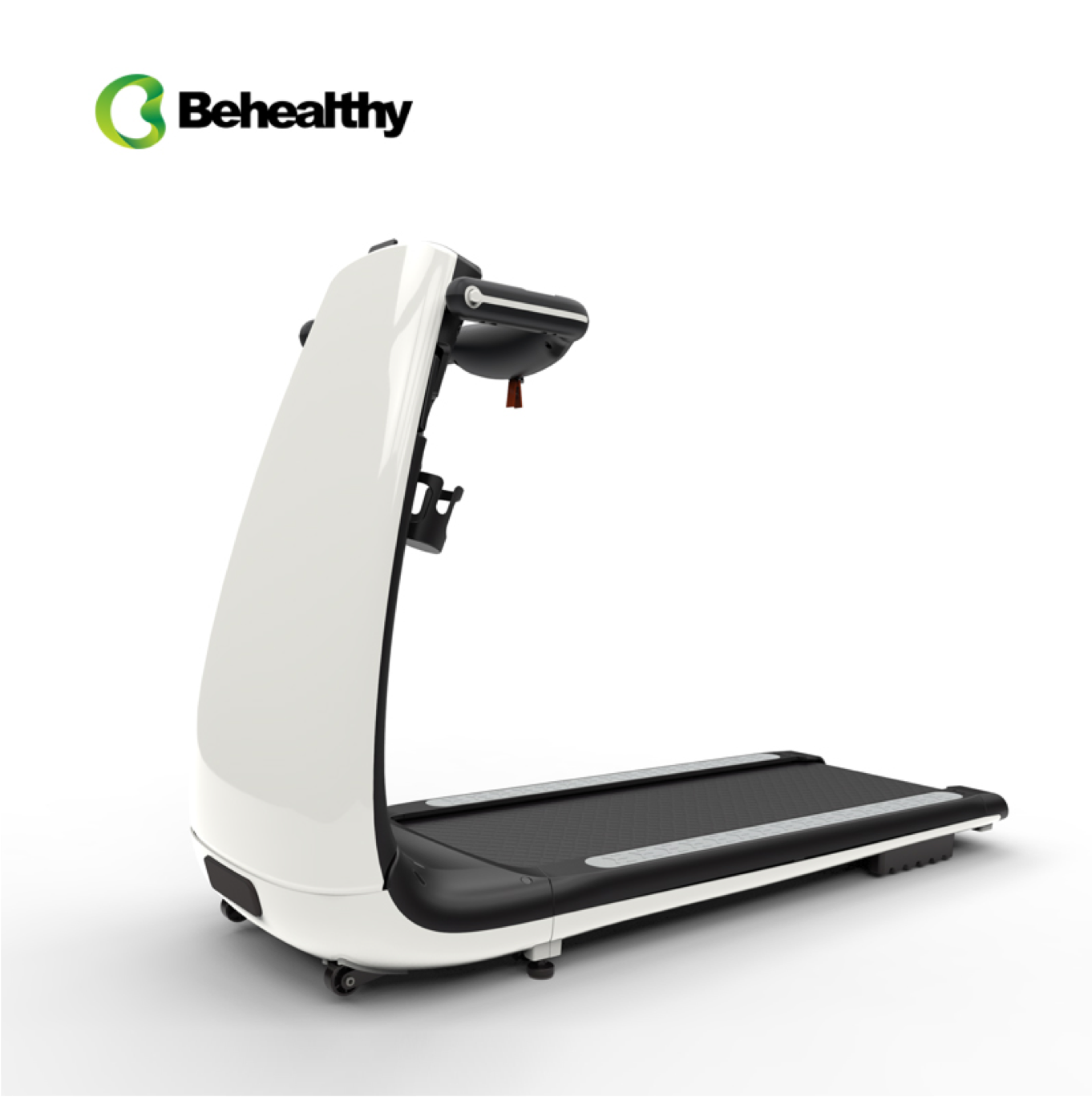
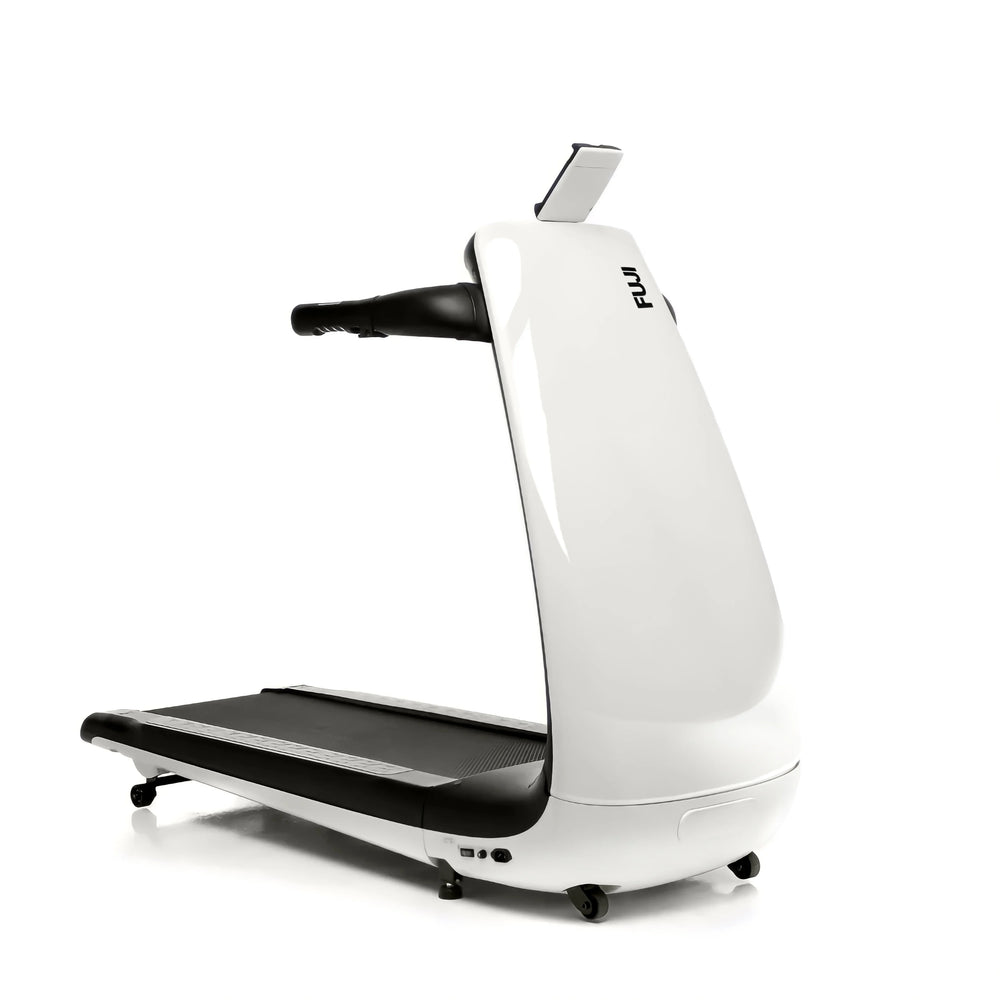
To practise balance regularly, many people choose a compact treadmill designed for steady, daily walking that fits easily into home life.

Instead of imagining Tai Chi forms or strict walking disciplines, think of balance-focused walking as a way to reclaim awareness of your gait. In everyday life we walk on autopilot; in balance-focused walking, we bring attention back to movement first and pace second — and that makes all the difference.
What Balance-Focused Walking Looks Like at Home
When you walk with awareness, you pay attention to:
- How your posture feels as you stand and move
- Whether your weight shifts smoothly from foot to foot
- Whether your steps feel steady and rhythmical
- How relaxed your body feels as a whole
This isn’t performance walking. It’s attentive walking. And a treadmill is an excellent place to practise because it gives you a predictable surface and a consistent belt speed, so you can focus on your body’s movement rather than unexpected terrain or interruptions.

Why the Treadmill Works for Balance
When you walk outdoors, your body constantly reacts to changes in surface, obstacles, or how your surroundings feel. On a treadmill, the surface doesn’t change. That simplicity gives you a stable frame for movement quality — the very thing balance-focused walking is built around.
With a stable treadmill deck and clear controls, you can stay focused on your steps. You can notice how your foot meets the belt, how your body rises and falls with each step, and how your core remains engaged while your shoulders relax. This kind of focus can make daily movement feel more grounded and intentional than simply going through the motions.
How to Practise Balance-Focused Treadmill Walking
You don’t need special programmes or complicated settings. Balance-focused walking is most effective when it feels simple and repeatable.
1) Begin with a gentle speed
Choose a pace at which you feel stable. This should be slower than a brisk walk, but not so slow that it feels unnatural. The aim is continuity and control.
2) Keep your posture relaxed
Stand tall, shoulders down, head level. A relaxed, grounded posture supports smoother movement and helps your body balance itself without stress.
3) Notice weight transfer
Each step begins with placing your foot, then shifting your weight gently forward. Focus on the transition — don’t rush it.
4) Let the rhythm settle
A steady rhythm — left, right, left, right — supports balance and invites your body to cooperate with the movement rather than resist it.
How It Fits Into Everyday Daily Movement
Balance-focused walking fits into home life easily because the sessions don’t need to be long or intense. Even short intervals of attentive walking — five to ten minutes — feel satisfying when every step feels connected to posture and rhythm.
Over time, this becomes a rhythm you associate not just with “exercise” but with movement that feels calm, reliable, and enjoyable. It’s less about performance and more about presence — a refreshing perspective in a world that often pushes for intensity.
FAQ
What is balance-focused walking?
Balance-focused walking emphasises steady posture, smooth weight transfer, and thoughtful rhythm rather than speed or distance.
Can you practise balance walking on a treadmill?
Yes — a treadmill’s consistent belt and surface make it easier to focus on how you step rather than what’s happening around you.
How long should a balance-focused walking session be?
Start with five to ten minutes and extend if it feels comfortable. Regular, short sessions often build familiarity and confidence.
Is this different from normal treadmill walking?
Yes. Normal treadmill walking often runs on autopilot. Balance-focused walking lets you stay present with how your body moves, creating steadier, more intentional steps.