

Can you do Tai Chi walking on a treadmill at home? Yes — if by “Tai Chi walking” you mean slow, deliberate, rhythm-led walking where you pay attention to posture, foot placement, and smooth weight transfer. You’re not trying to perform a full Tai Chi form on a moving belt. You’re borrowing the practical principles: control, softness, alignment, and consistency.
This approach appeals to people who want walking to feel more intentional. Instead of switching on autopilot and counting minutes, you treat walking as a skill you can refine: a steadier rhythm, a quieter step, and a more relaxed posture. A home treadmill can be a useful place to practise this because the pace and surface stay consistent, so you can focus on how you’re moving rather than what’s happening around you.
For many people, Tai Chi walking becomes easier to practise indoors when the walking environment stays consistent. Using a walking-first treadmill designed for home routines allows you to focus on posture and rhythm rather than adjusting to changing surfaces.
If you’re new to this approach, it can help to understand how Tai Chi-inspired walking works on a treadmill indoors and how pace, balance, and movement quality come together.

What People Mean by “Tai Chi Walking”
Traditional Tai Chi is a structured practice with sequences of movements. “Tai Chi walking,” as most people use the phrase today, usually means something simpler: walking more slowly and deliberately, with a focus on balance, posture, and a smooth transfer of weight from one step to the next.
It’s a helpful way to reframe walking. Instead of “go faster” or “go harder,” the focus becomes: walk better. That’s a traditional way of building a routine — steady, repeatable, and not dependent on bursts of motivation.
Researchers have studied Tai Chi for decades, often focusing on balance and movement control. While treadmill walking isn’t the same as Tai Chi practice, many of the principles overlap when you walk with intention: consistent rhythm, careful foot placement, and a relaxed upper body.
Why a Treadmill Can Work Well for Tai Chi–Inspired Walking
A treadmill isn’t trying to replace the outdoors. Its advantage is predictability. For Tai Chi–inspired walking, that predictability is a feature: it makes it easier to notice small details of your movement and keep them consistent.
- Consistent rhythm: the belt sets a steady pace so you can focus on technique rather than constantly adjusting speed.
- Stable routine: same surface, same space, same start — ideal for building a habit.
- Fewer distractions: you can focus on posture and steps without interruptions from weather or busy streets.
Think of the treadmill as a practice space. The aim is not intensity. The aim is quality: smoother steps, steadier pacing, and a more relaxed walking pattern that you can repeat day after day.

How to Try Tai Chi–Style Walking on a Treadmill
Keep it simple. If it turns into a performance, it stops being useful. Start at a low speed where you can place each step deliberately and keep your attention on form.
1) Start slower than you think
Choose a pace that lets you notice each step. If you feel rushed, reduce the speed. The goal is “smooth,” not “fast.”
2) Settle into a relaxed posture
Stand tall in the most ordinary way: shoulders down, chest open, chin neutral. Avoid stiffness. A helpful cue is to imagine your head is gently lifted, while the shoulders stay relaxed.
3) Make the steps quiet and even
Try to land the foot softly and evenly. A steady rhythm matters more than stride length. Aim for a consistent pattern: left, right, left, right — easy and repeatable.
4) Notice the weight transfer
One of Tai Chi’s practical themes is controlled shifting of weight. On a treadmill, you can practise that by noticing the moment your weight moves from the back foot to the front foot — smoothly, without rushing.
5) Keep the first sessions short
Five to ten minutes is enough to learn the feel. Over time, you can extend the duration if it fits your routine and feels comfortable.
What Specialists Often Highlight About Tai Chi
When Tai Chi is discussed by researchers and instructors, the emphasis often lands on movement quality: control, coordination, and steady transitions. That perspective is useful even if you’re not practising formal Tai Chi. Tai Chi–inspired treadmill walking is simply a practical way to bring those ideas into a daily walking routine.
In interviews and public talks, Peter Wayne (Harvard-affiliated Osher Center for Integrative Health) has described Tai Chi as a practice that blends gentle physical movement with attention and control — sometimes referred to as a “moving meditation.” On a treadmill, that idea translates neatly: your body moves at a steady pace while your attention stays on posture and rhythm.
Tai Chi has also been featured in discussions around balance-focused community programmes. For example, Stanford Medicine has highlighted research on Tai Chi training in older adults and included commentary from TC Cowles, a nurse and programme manager, on why Tai Chi-style training works well in practice: it’s approachable, adaptable, and encourages people to keep showing up. The treadmill takeaway is simple: consistency matters.
You may also have seen interviews with clinicians and researchers such as Michael Irwin (UCLA) discussing why Tai Chi is more than “just exercise,” because attention and controlled movement are part of the practice. Again, you don’t need to recreate formal Tai Chi on a treadmill to borrow the habit: move with intention.
Another well-known voice in the Tai Chi world is Dr Paul Lam, who has spoken in interviews about teaching Tai Chi in ways that emphasise balance, control, and accessibility. Whether you attend classes or practise at home, the core idea is the same: simple movements, done consistently, with attention to form.
Who Tai Chi–Inspired Treadmill Walking Suits
This walking style tends to suit people who prefer steady routines and walking-first movement at home — especially those who want the session to feel focused rather than rushed.
- Walking-first routines: a steady pace that supports consistency.
- Technique-minded walkers: people who enjoy improving posture and rhythm over time.
- Home-based habits: a routine that fits naturally into everyday life.
The best part is that it doesn’t need special equipment beyond a treadmill that feels stable and straightforward to use. The goal is a routine you can return to easily, not a complicated programme that gathers dust.
Choosing a Treadmill for Walking-First Home Use
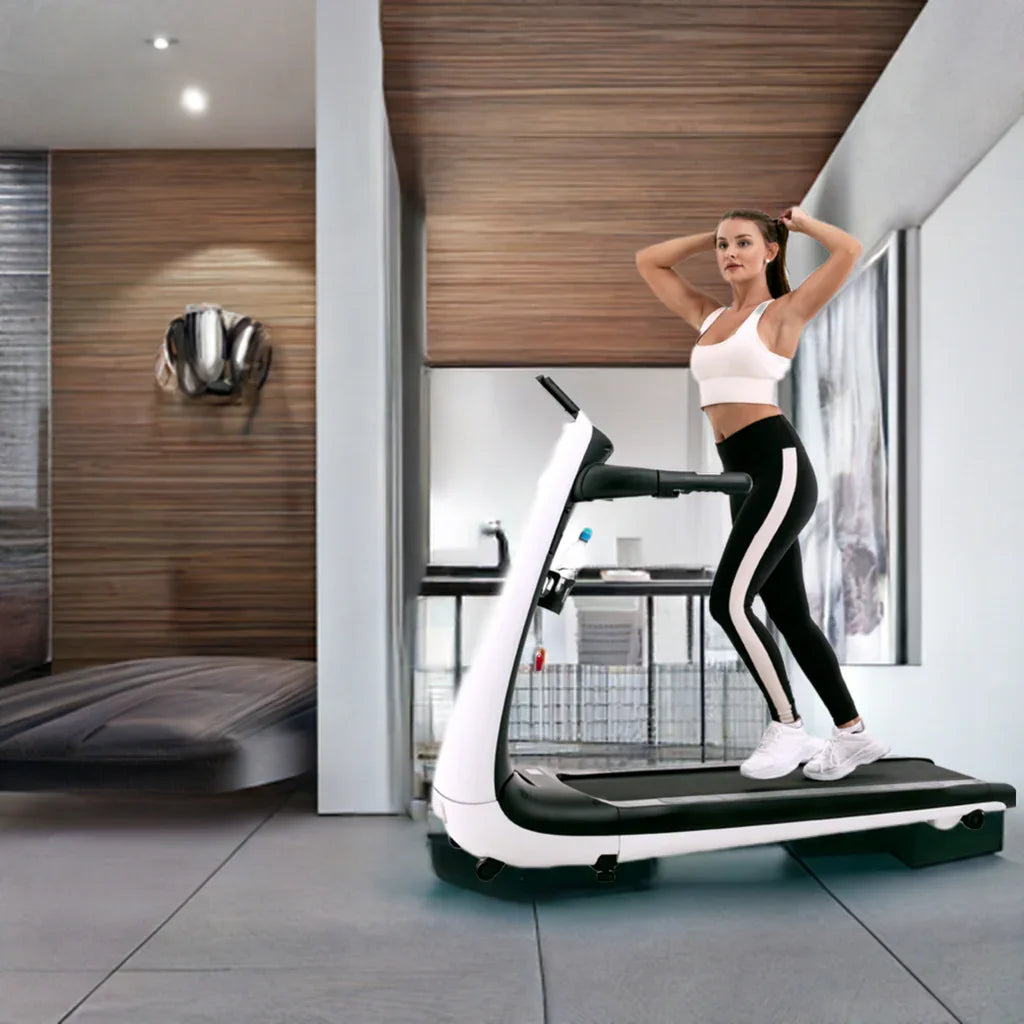
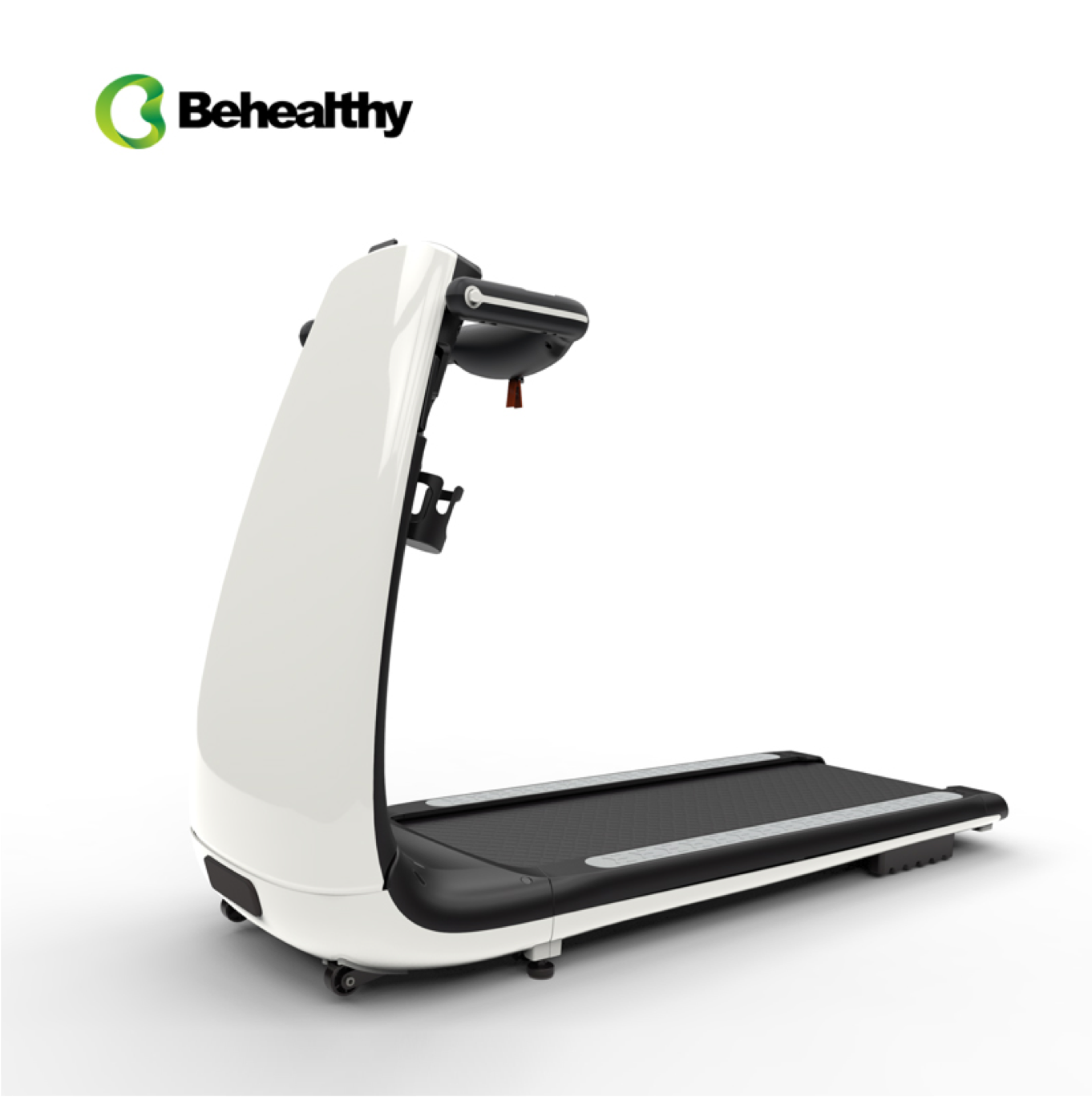
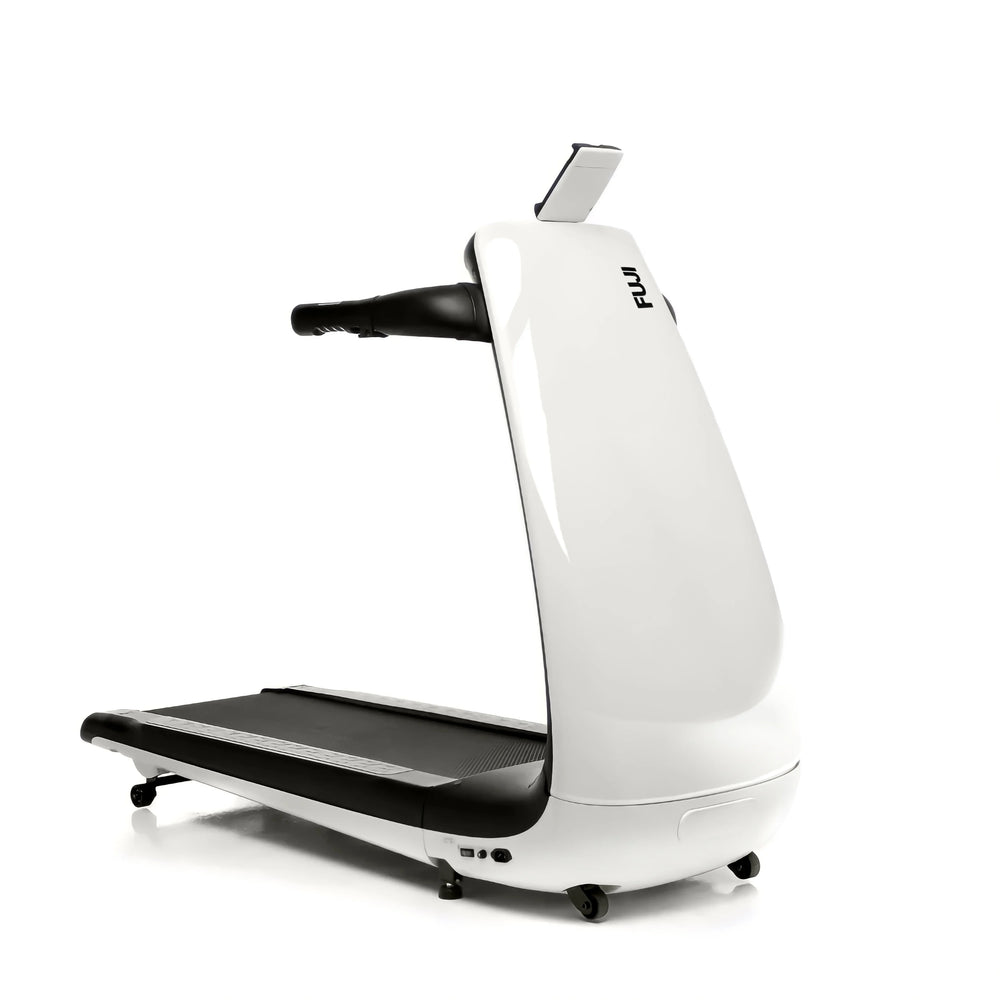
If your main goal is walking at home, look for a treadmill that supports everyday use in a domestic setting: tidy footprint, a clear display, and a walking experience that feels smooth and consistent. The aim is something that blends into the home rather than turning your living space into a gym corner.
If you’re exploring a compact option designed for walking routines at home, you can view the Fuji BeHealthy treadmill here or browse more at fuji-health.co.uk.
FAQ
Can you do Tai Chi walking on a treadmill?
You can practise Tai Chi–inspired walking on a treadmill by walking more slowly and deliberately, focusing on posture, steady rhythm, and smooth weight transfer.
What speed should I use?
Use a pace that allows you to control your steps without rushing. If your posture starts to feel hurried, reduce the speed and return to an even rhythm.
How long should a session be?
Start with 5–10 minutes to learn the technique. As it becomes familiar, you can increase time if it fits your routine.
Is Tai Chi walking the same as normal treadmill walking?
Normal treadmill walking can become automatic. Tai Chi–inspired walking keeps attention on how you step: posture, rhythm, and smooth transitions.
Closing Thought
Tai Chi–inspired treadmill walking isn’t about doing something dramatic. It’s about doing something repeatable — and doing it with more attention than yesterday. That’s the old, dependable formula for progress: small improvements that stack up quietly. A treadmill gives you consistency. Tai Chi principles give you a method. Together, they create a walking routine that feels grounded, practical, and easy to return to.