

Tai Chi walking on a treadmill sounds like an unusual pairing until you strip it back to what most people actually mean by it: slow, deliberate walking with attention on posture, rhythm, and smooth weight transfer. It’s not about performing formal Tai Chi sequences on a moving belt. It’s about borrowing the practical principles — control, softness, alignment, and consistency — and applying them to everyday treadmill walking at home.
For walking-first routines, this approach can feel refreshingly realistic. Instead of chasing speed, you focus on the quality of each step. Over time, that can make indoor walking feel less like a task and more like a dependable part of the day.
What “Tai Chi Walking” Usually Means
Traditional Tai Chi is a structured practice, often taught through forms that combine coordinated movement, posture, and balance. “Tai Chi walking,” as the phrase is commonly used today, is typically a simpler idea: walking in a way that stays intentional rather than rushed.
That intention shows up in a few practical ways:
- Steady rhythm that you can maintain without feeling hurried
- Relaxed posture rather than stiff, forced positioning
- Smoother weight transfer from one foot to the other
- Attention to foot placement so steps feel even and consistent
On a treadmill, these become easier to practise because the environment doesn’t change. That consistency is the quiet advantage of walking indoors.
This style of walking often appeals to people who prefer a steady, repeatable routine rather than performance-driven sessions. Many readers also find it useful to compare this approach with normal treadmill walking to see which style fits their day-to-day habits.
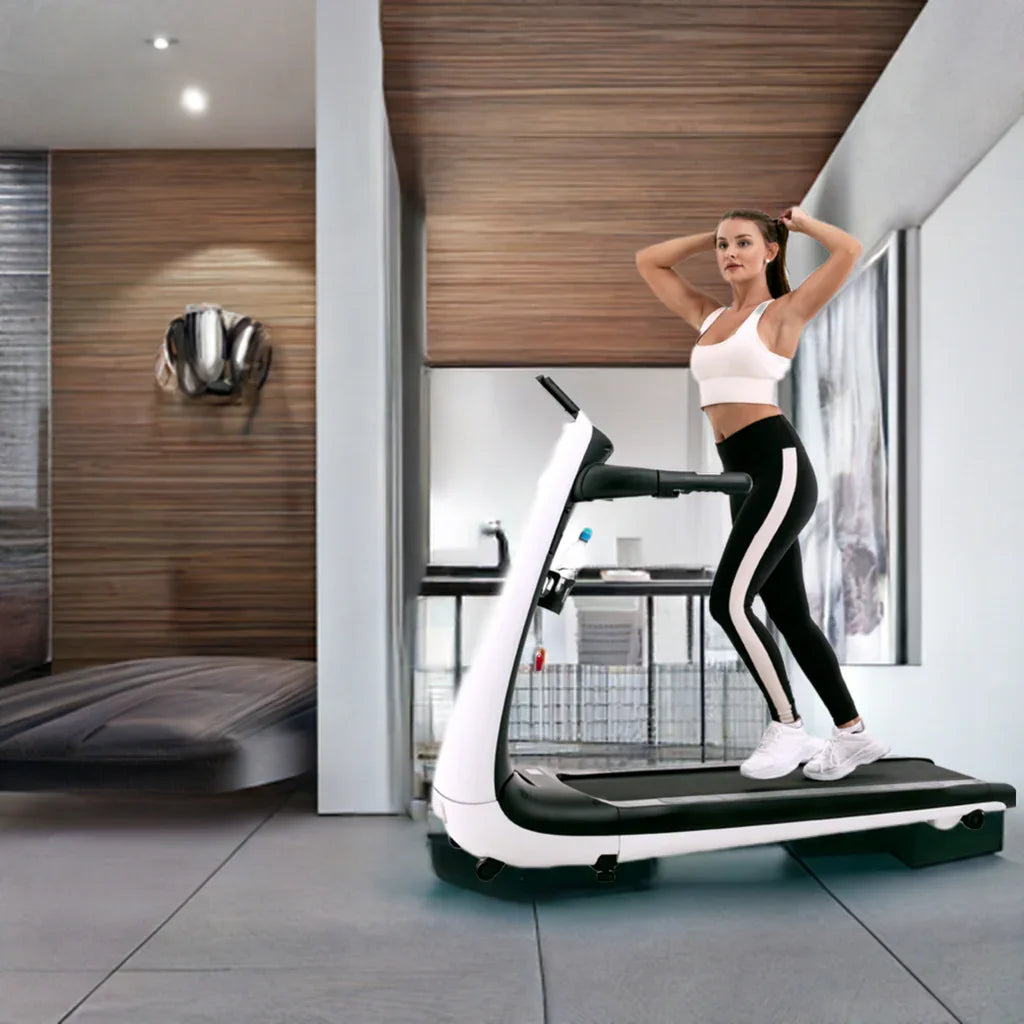
For indoor routines, a compact treadmill suited to walking-first use can make it easier to practise Tai Chi-inspired walking without turning the home into a gym space.

Why a Treadmill Can Suit Tai Chi–Inspired Walking
Outdoor walks are great, but they come with variables: uneven pavements, crossings, crowds, weather, and the stop-start pattern of everyday life. A treadmill is predictable. For Tai Chi–inspired walking, predictability isn’t boring — it’s helpful.
With fewer distractions, you can notice small details that often disappear on autopilot. For example: are your shoulders creeping up? Are your steps getting noisy? Are you leaning forward without realising? These are the kinds of details Tai Chi practice often draws attention to, and a treadmill makes them easier to observe and adjust.
A consistent pace also helps you build a repeatable rhythm. Rather than reacting to what’s in front of you, you can focus on how smoothly you move from step to step.

A Practical Technique: How to Walk “Tai Chi Style” Indoors
Keep this simple. The goal is a walking pattern you can repeat easily — not a complicated routine that feels like homework.
1) Choose a pace that allows control
Start at a slower speed than you would for a typical brisk walk. You should be able to keep posture steady and place each step deliberately. If you feel rushed, reduce the speed until the rhythm feels smooth again.
2) Settle into a relaxed upright posture
Stand tall in a natural way: head level, shoulders relaxed, chest open, and arms swinging comfortably. Avoid turning posture into stiffness. The aim is “upright and easy,” not forced.
3) Keep steps even and quiet
Try to land each foot with a consistent, gentle step. A simple cue is to aim for the same sound and timing on each side: left, right, left, right — steady and repeatable.
4) Pay attention to weight transfer
Instead of stepping quickly from foot to foot, notice how your weight shifts smoothly forward. Think of each step as a controlled transition: place the foot, shift weight, then allow the next step to follow naturally.
5) Keep early sessions short
Five to ten minutes is enough to practise the technique. The benefit here comes from repetition over days, not from long sessions done once in a while.
How This Fits Into Walking-First Home Routines
The reason Tai Chi–inspired treadmill walking works for many households is that it fits the shape of real home life. You don’t need special planning. You don’t need a complex programme. You step on, set a steady pace, and practise a smoother way of walking.
Some people prefer this style of walking in the morning to establish a steady rhythm for the day. Others prefer it later as a simple way to bring movement into the evening. Either way, it’s a routine you can return to without turning your home into a gym corner.
Choosing a Treadmill for Walking-First Use
If your focus is indoor walking, the treadmill should support a straightforward, repeatable routine: a tidy footprint, a clear display, and a walking experience that feels consistent. The aim is something that blends into the home and makes it easier to keep moving regularly.
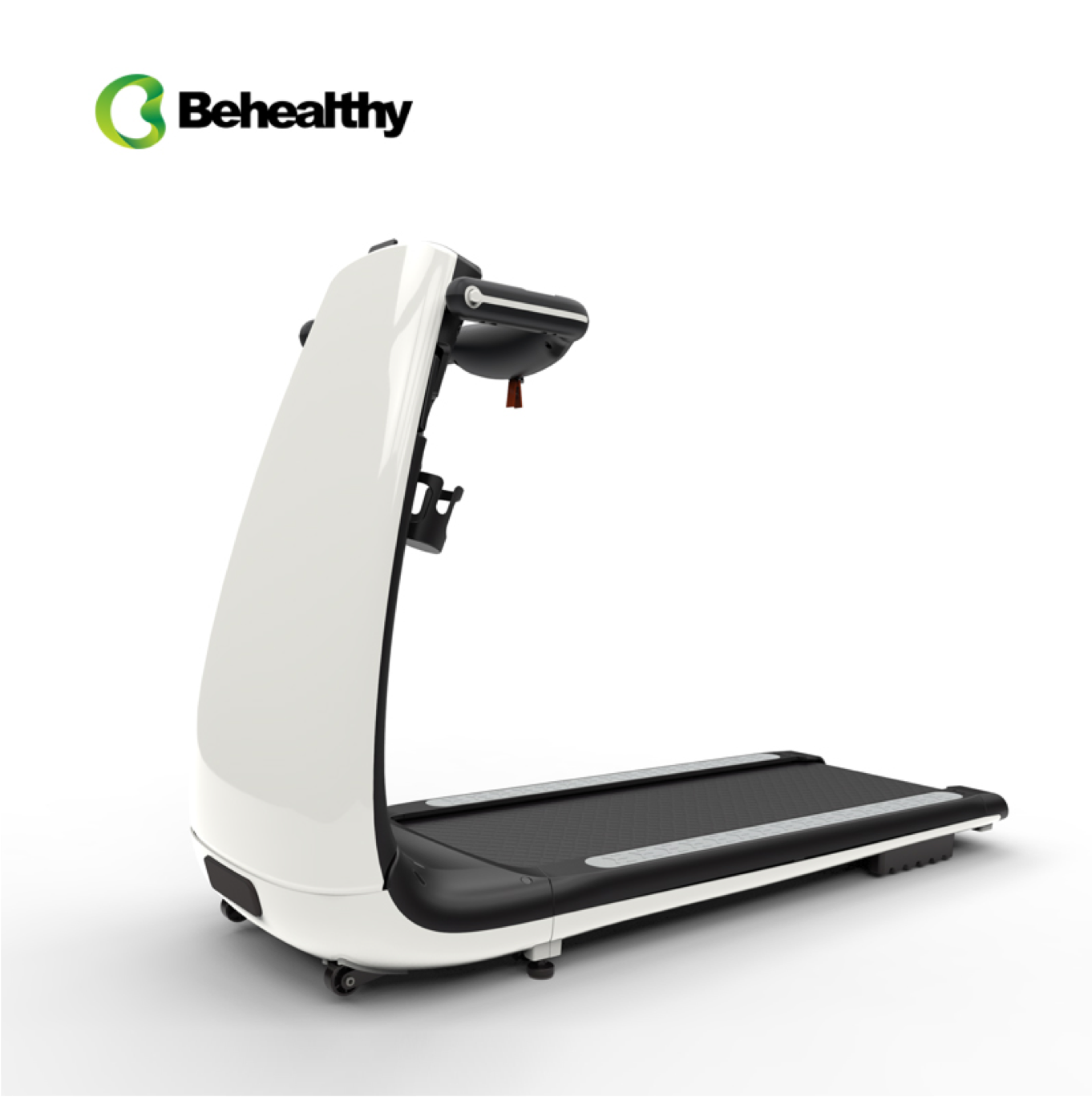
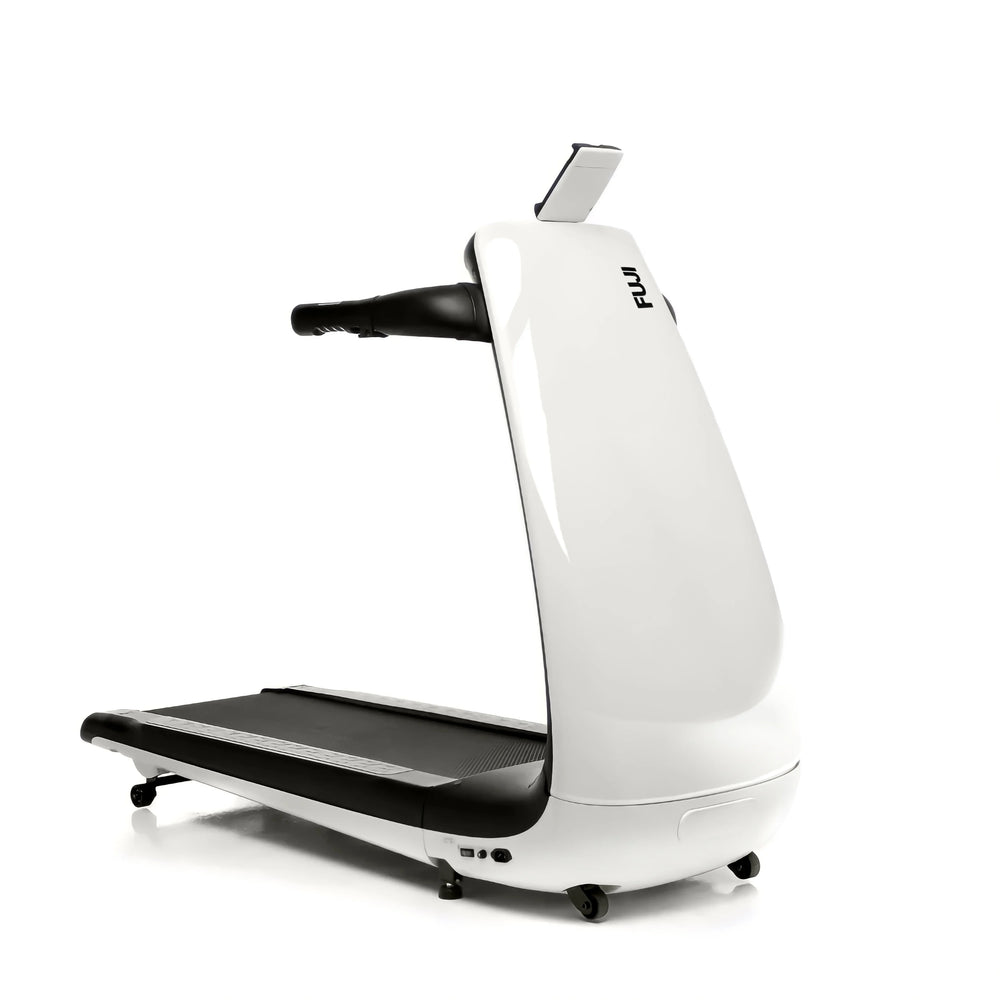
To view a compact treadmill designed for walking-first home routines, see the Fuji BeHealthy treadmill. You can also browse more at Fuji Health Treadmills.
FAQ
Can you do Tai Chi walking on a treadmill?
You can practise Tai Chi–inspired walking on a treadmill by walking at a pace that allows control and attention to posture, rhythm, and smooth weight transfer.
Do I need a special treadmill programme?
No. A simple, steady pace is enough. The focus is on how you step and how consistent your rhythm feels.
What pace should I use?
Use a speed that lets you place each step deliberately without feeling rushed. If your posture changes or your steps become uneven, slow down slightly.
How long should a session be?
Start with 5–10 minutes to learn the feel. If it suits your routine, you can gradually increase time while keeping the same controlled rhythm.
Is Tai Chi walking the same as normal treadmill walking?
Normal treadmill walking often becomes automatic. Tai Chi–inspired walking keeps attention on posture, step timing, and smoother transitions from one step to the next.