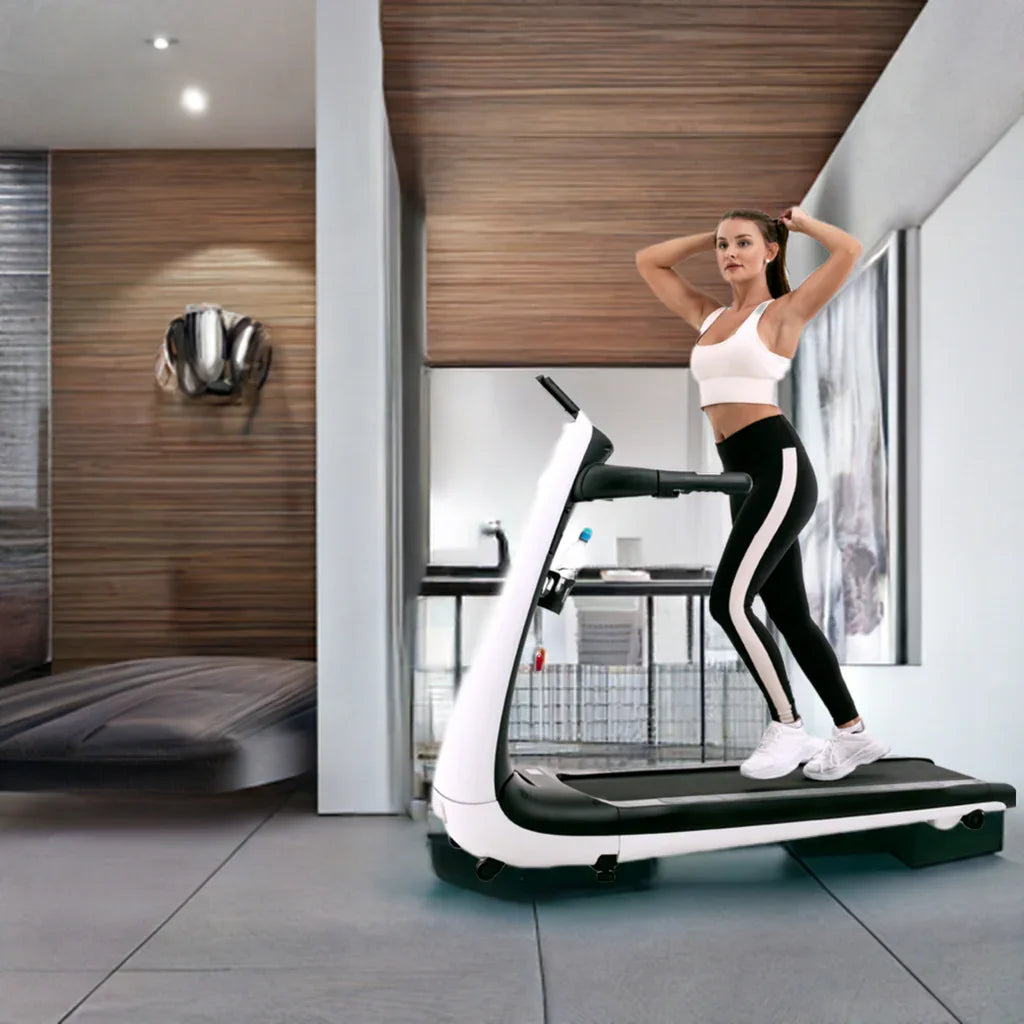


Walking feels familiar — we do it every day — yet there’s a meaningful difference between walking passively and walking with intention. When you practise slow, controlled walking on a treadmill at home, you tap into a rhythm that can help your body feel more balanced, your posture more aligned, and your daily movement more consistent.
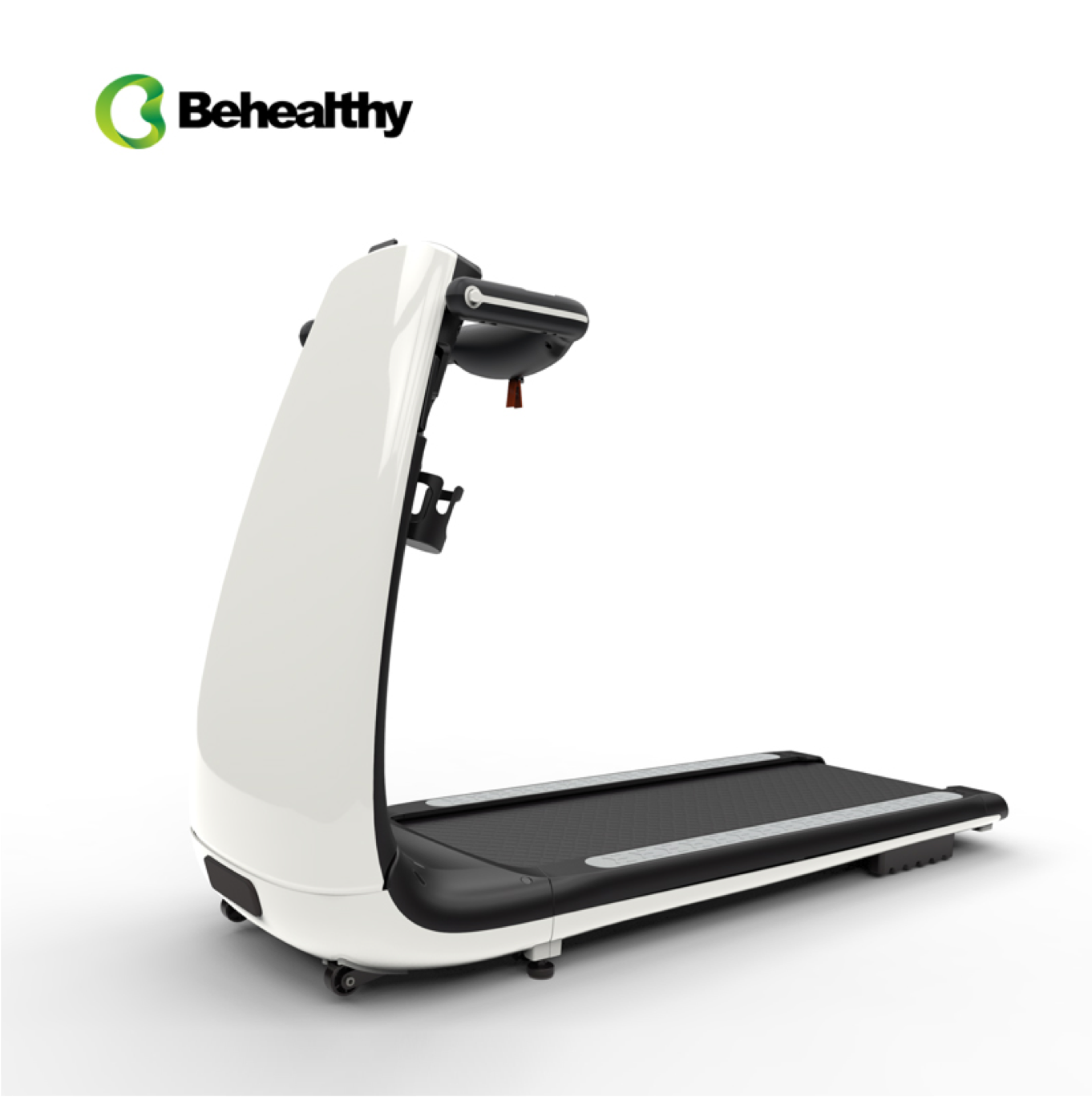
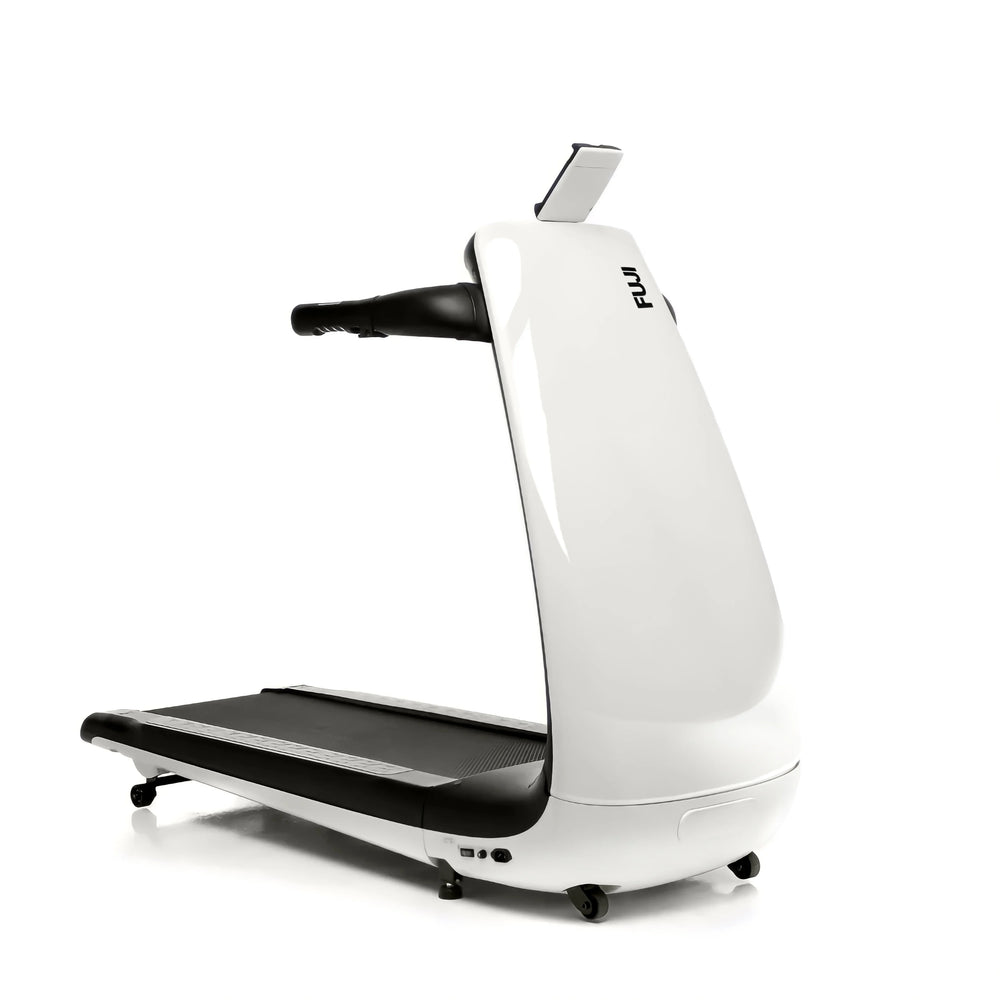
Slow, controlled walking often becomes more enjoyable when it’s supported by equipment that feels comfortable and familiar. A home treadmill designed around everyday walking helps remove friction from daily routines.
Some people also explore this style through balance-focused treadmill walking, where posture and rhythm take priority over speed.

This isn’t about pushing speed or covering distance. It’s about a steady pace, mindful steps, and a walking habit you can look forward to. Let’s explore how slow, controlled walking builds a better daily routine — especially when you use a treadmill designed for comfort, consistency, and everyday convenience.
The Value of Slow, Controlled Walking
Slowing down your treadmill pace so you can feel each step is a way of paying attention to how you move. When pace becomes automatic, small details about posture, foot placement, and rhythm disappear from conscious awareness. Slowing down brings them back into focus.
Carry that focus into a regular practice at home and you’ll notice a subtle shift: your body starts to recognise patterns that feel steadier and more balanced. Choosing a mindful pace makes each walking session feel purposeful — even if it’s only five or ten minutes long.
How Controlled Walking Helps Your Routine
A daily habit starts with ease of entry. When you approach your treadmill not as something to “power through” but as something to practise, it becomes easier to return to day after day. Controlled walking supports that kind of repeatable routine, for a few practical reasons:
- Consistency feels comfortable: A slower pace reduces fatigue and makes it easier to enjoy walking every day.
- Body awareness improves: Paying attention to posture and rhythm encourages steadier steps.
- Small sessions add up: Short, consistent walks integrate into your life more naturally than occasional long ones.
You don’t need dramatic sessions or special training. You just need a pace that feels easy to control and a rhythm you can return to without effort.

How to Practise Slow, Controlled Walking at Home
Starting a slow, controlled walking session on your treadmill doesn’t require any special equipment beyond a stable machine that feels comfortable underfoot. Here’s a simple approach that many people find easy and enjoyable:
1) Set a gentle speed
Choose a treadmill pace where you can notice every step. This pace should feel slower than your casual walk, yet comfortable enough to maintain balance and rhythm without strain.
2) Stand tall with relaxed shoulders
Good posture starts with alignment. Keep your head level, shoulders relaxed, and chest open. When posture feels natural, walking feels easier.
3) Focus on how your feet meet the belt
Instead of rushing through your steps, pay attention to how your foot touches the treadmill’s surface. A smoother, more even contact helps build steadier rhythm and reduces abrupt motion.
4) Notice your weight transfer
Weighted movement from one foot to the next should feel controlled. You’re not shifting rapidly — just steadily enough that each step feels balanced.
Everyday Routines Made Easier
When walking becomes a dependable part of your day, it stops being something you “have to do” and starts becoming something you enjoy. A treadmill that’s ready and waiting at home is often more effective at this than outdoor walking, because it removes barriers: no weather, no busy paths, no surface irregularities.
Slow, controlled walking also encourages you to return to the treadmill regularly. Whether it’s a quiet morning session or an evening wind-down walk, this approach makes movement feel like a natural part of your rhythm rather than an isolated chore.
Making Mindful Walking Feel Natural
This style of walking isn’t about performance. It’s about practice — the kind of practice you can build into your day without disruption. Short, consistent sessions add up. Even five minutes feels satisfying when every step feels intentional and calm.
Using a treadmill that’s designed for everyday comfort — with a cushioned belt, stable frame, and easy controls — helps make walking feel approachable and enjoyable. This isn’t intensity first; it’s habit first.
FAQ
Does slow walking count as exercise?
Yes — slow, controlled walking on a treadmill engages your body in movement and rhythm, which supports daily activity levels and encourages consistency.
How long should a session be?
Many people begin with short sessions, such as five to ten minutes, and increase time gradually as it feels comfortable. The emphasis is on consistency, not duration.
Is slow, controlled walking different from a brisk walk?
Yes. A brisk walk focuses on speed and higher pace. Slow, controlled walking focuses on posture, balance, and smooth step pattern.
Can this be part of a daily routine?
Absolutely. Slow, controlled treadmill walking is designed to feel natural and easy to repeat, making it well suited to daily movement routines at home.