

After 50, walking routines often change — not because people want to move less, but because movement needs to fit more naturally into daily life. A simple walking routine, done consistently at home, is often easier to maintain than ambitious plans that demand time, preparation, or travel.
The goal isn’t to complicate walking. It’s to make it familiar, repeatable, and comfortable enough to return to day after day.
Why Simple Routines Work Better After 50
Complex routines tend to rely on motivation. Simple routines rely on habit. After 50, habit usually wins.
Walking that feels predictable — the same place, the same pace, the same time of day — removes friction. You don’t need to decide whether to walk. You simply do it.
This approach closely reflects the ideas behind slow, controlled walking routines, where steadiness matters more than variety.
How a Home Treadmill Helps Establish Routine
Walking at home removes many of the small obstacles that interrupt routine. There’s no need to plan routes, check the weather, or prepare to go out.
A treadmill provides a consistent surface and predictable pace, helping walking feel familiar rather than uncertain. Over time, this consistency builds confidence.

Choosing a Pace That Feels Sustainable
One of the most common mistakes with walking routines is starting too fast. A pace that feels comfortable today is far more valuable than one that feels impressive for a week.
Many people find that beginning with a steady, relaxed pace makes it easier to build consistency. This mirrors the principles of balance-focused walking, where rhythm and posture are prioritised.
Fitting Walking Into Everyday Life
Successful routines often attach walking to an existing habit: after breakfast, before dinner, or during a regular break in the day. When walking has a fixed place in the schedule, it becomes automatic.
This is one reason many people after 50 prefer walking at home rather than relying solely on outdoor routes, as discussed in walking at home versus outdoors.

Why Compact Treadmills Feel Less Intimidating
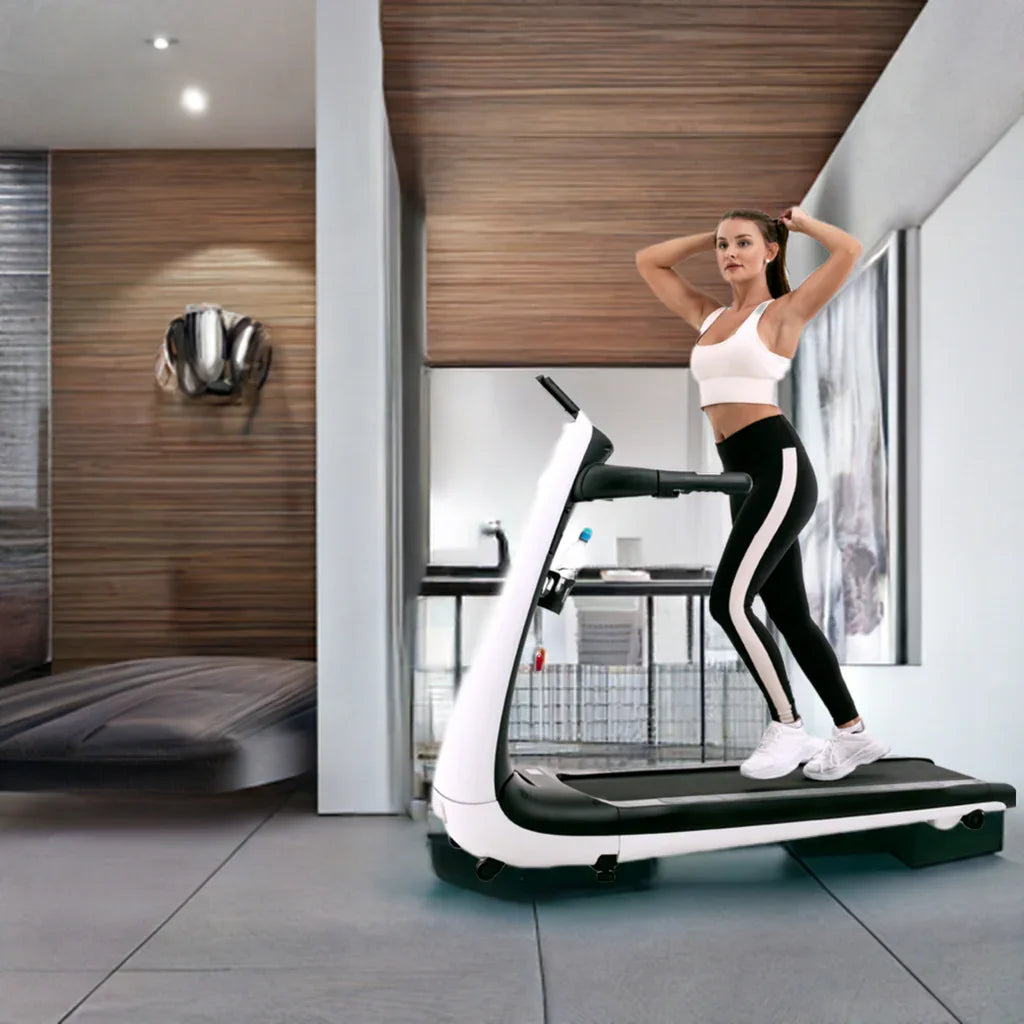
Large gym-style treadmills can feel out of place at home. Compact treadmills designed for walking blend more naturally into living spaces and feel easier to approach.
This sense of familiarity encourages regular use — something many seniors describe when using compact treadmills for everyday routines, as explored in how seniors are using compact treadmills at home.
Keeping the Routine Enjoyable
Enjoyment matters. Walking doesn’t need to feel like a task. Many people listen to music, follow a programme on a tablet, or simply enjoy the rhythm of walking.
The more pleasant the experience feels, the more likely it is to become a lasting part of daily life.
Choosing a Treadmill That Supports Daily Walking
The most effective walking routines rely on equipment that feels easy to return to. A treadmill designed around walking — rather than performance — supports this simplicity.
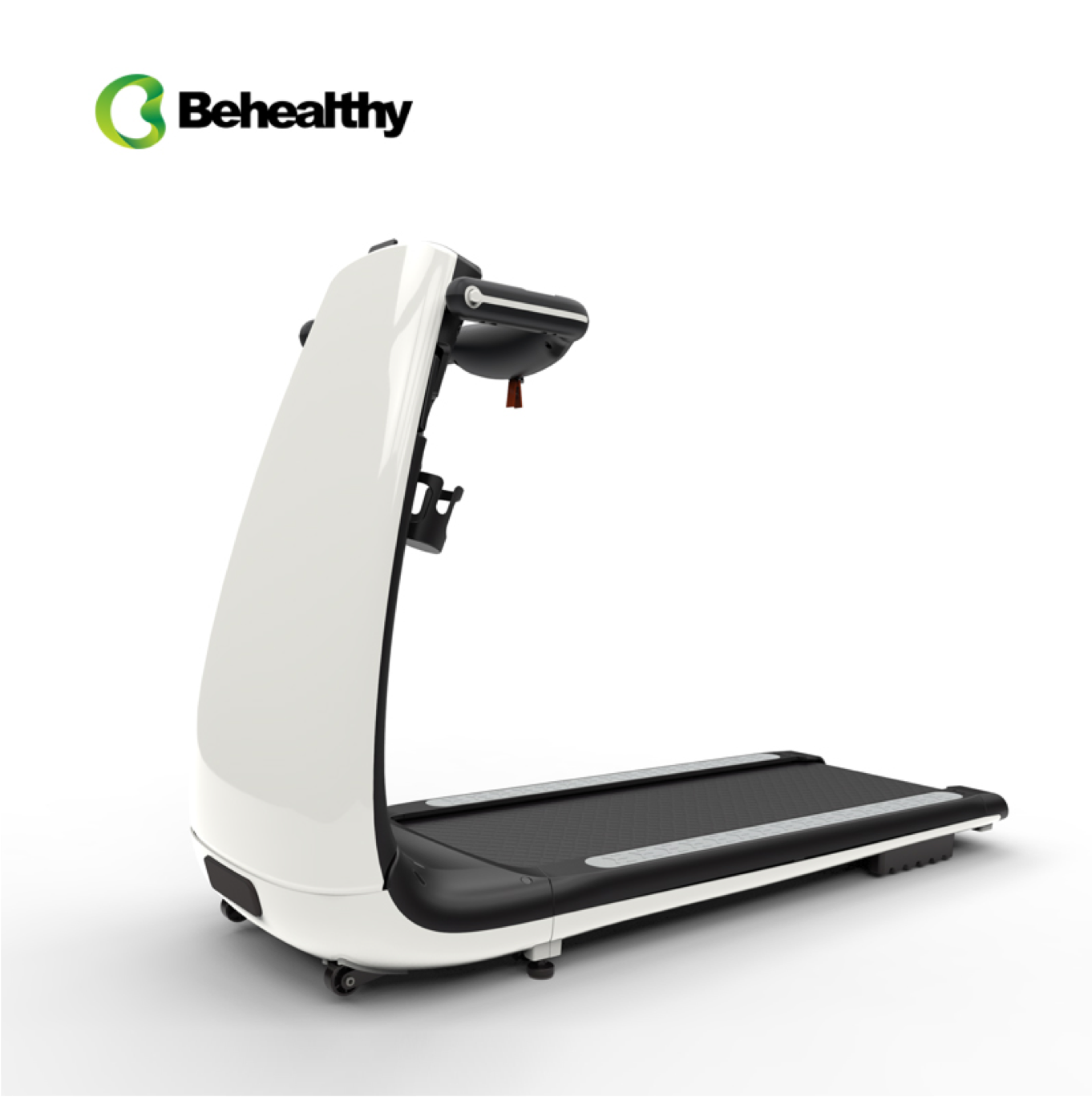
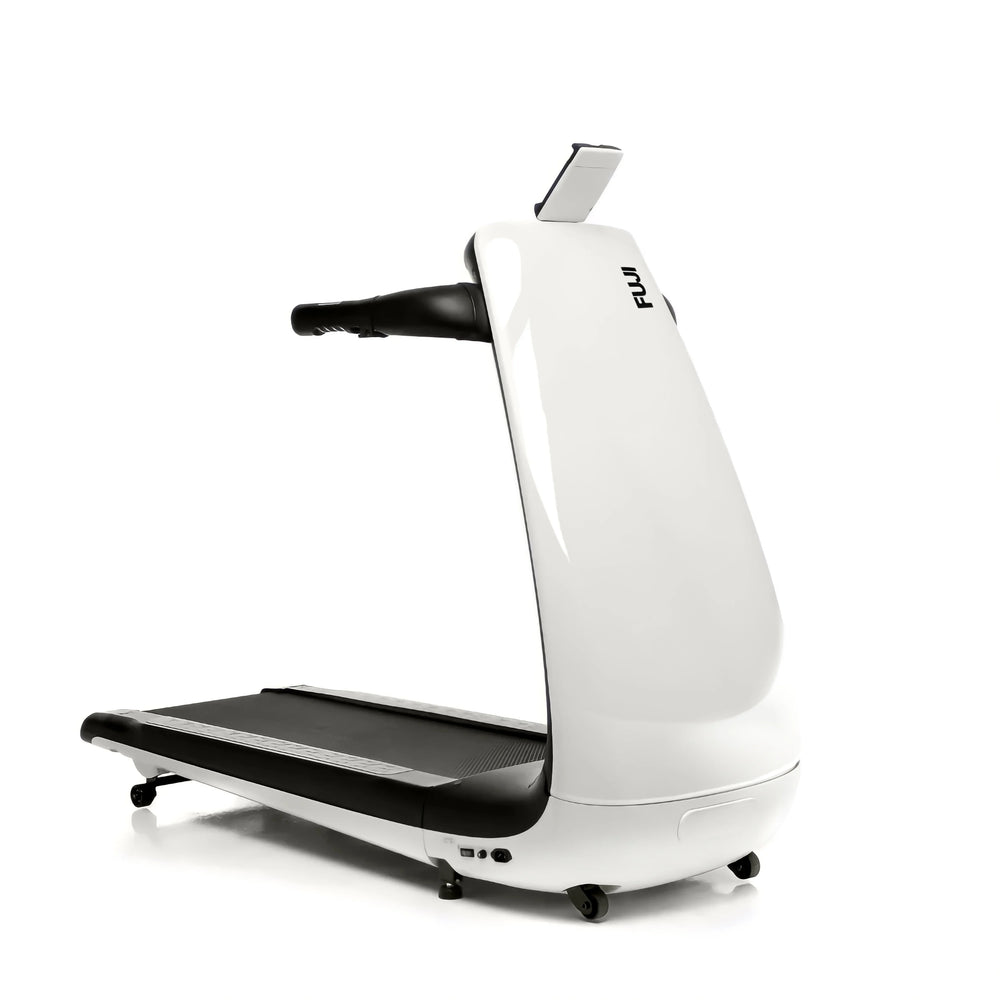
If you’re exploring treadmills suited to everyday walking, you can view the Fuji BeHealthy treadmill or browse more options at Fuji Health Treadmills.
FAQ
Is walking after 50 still effective?
Yes. Walking remains one of the most accessible ways to stay active and maintain routine after 50.
How long should walking sessions be?
Many people start with 10–20 minutes and adjust based on comfort and routine.
Is a treadmill necessary for walking at home?
No, but a treadmill can make walking more consistent by providing a predictable surface and pace.
Why do people prefer simple routines?
Simple routines are easier to repeat, making them more sustainable over time.