

2026 • Home routines • Consistency
Short answer: Motivation fails at home because it is unreliable. What actually works is lowering friction, reducing expectations, and building routines that feel ordinary enough to repeat.
The myth that refuses to die
Motivation is treated like fuel.
If you have enough of it, you move.
If you do not, you wait.
This idea sounds neat.
It also collapses in real homes.
Reality: motivation fluctuates daily. Homes do not.
Why motivation works in gyms but not at home
Gyms are built around effort.
Homes are built around living.
Expecting gym-style motivation at home is a mismatch.
What actually drives movement at home
Movement happens when starting feels easy.
- No travel time
- No outfit change
- No setup ritual
- No performance expectation
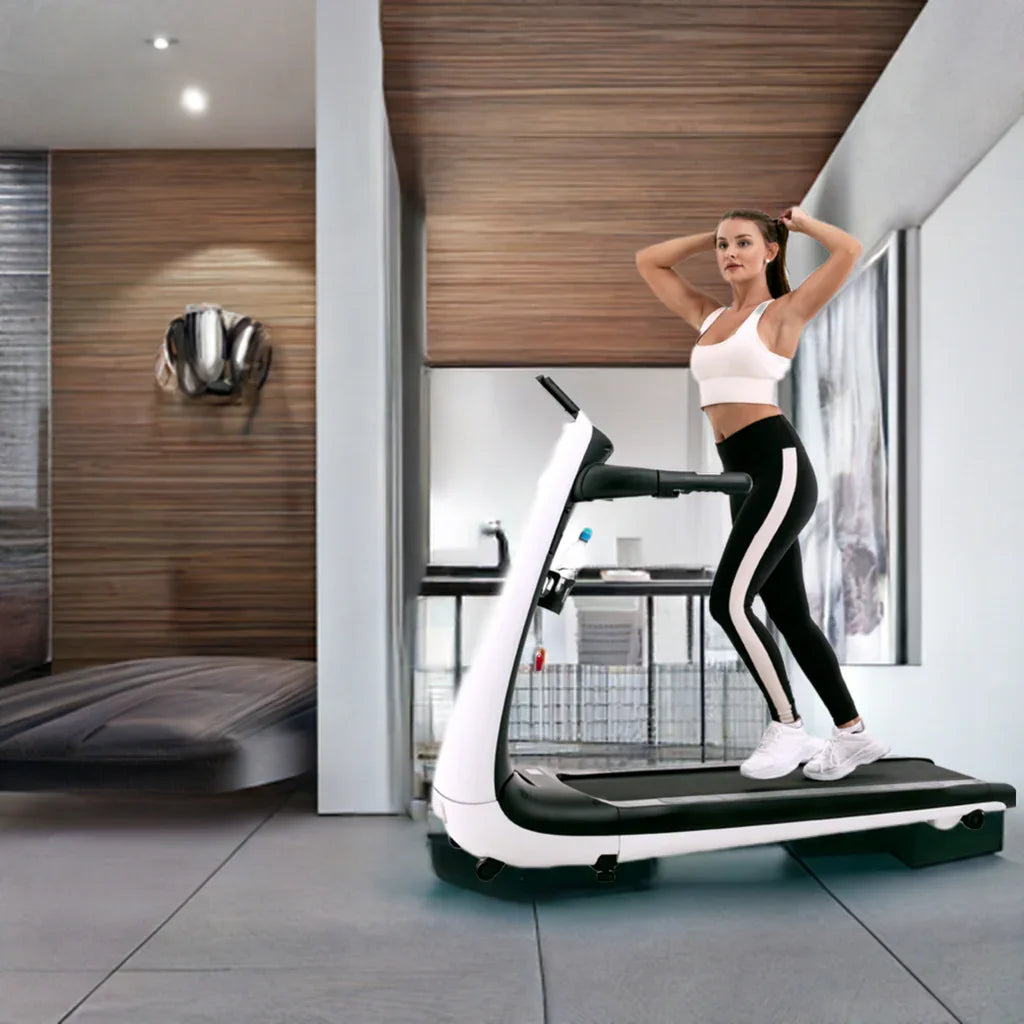
The treadmill changed roles
At home, treadmills stopped being “training equipment”.
They became background infrastructure.

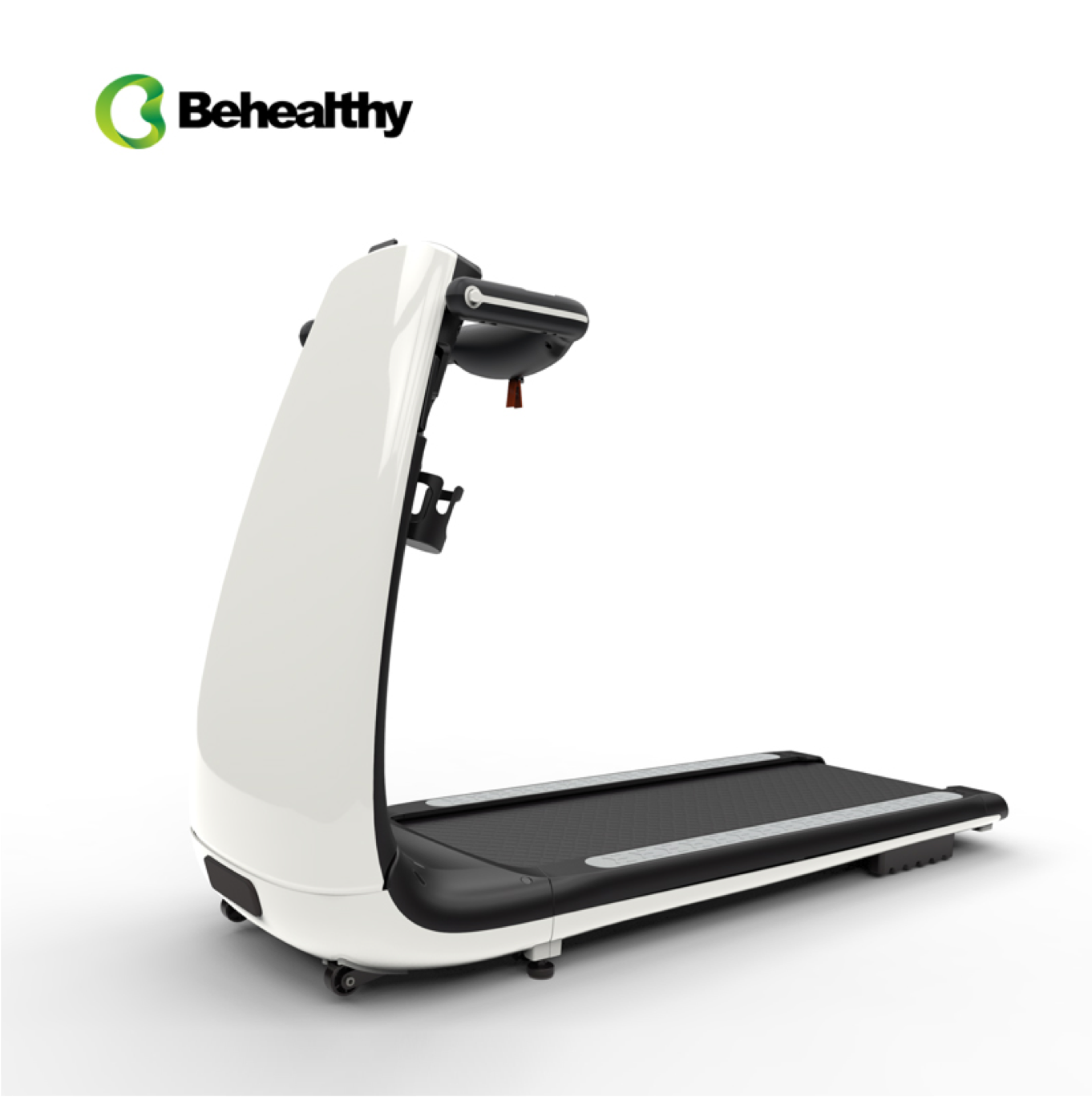
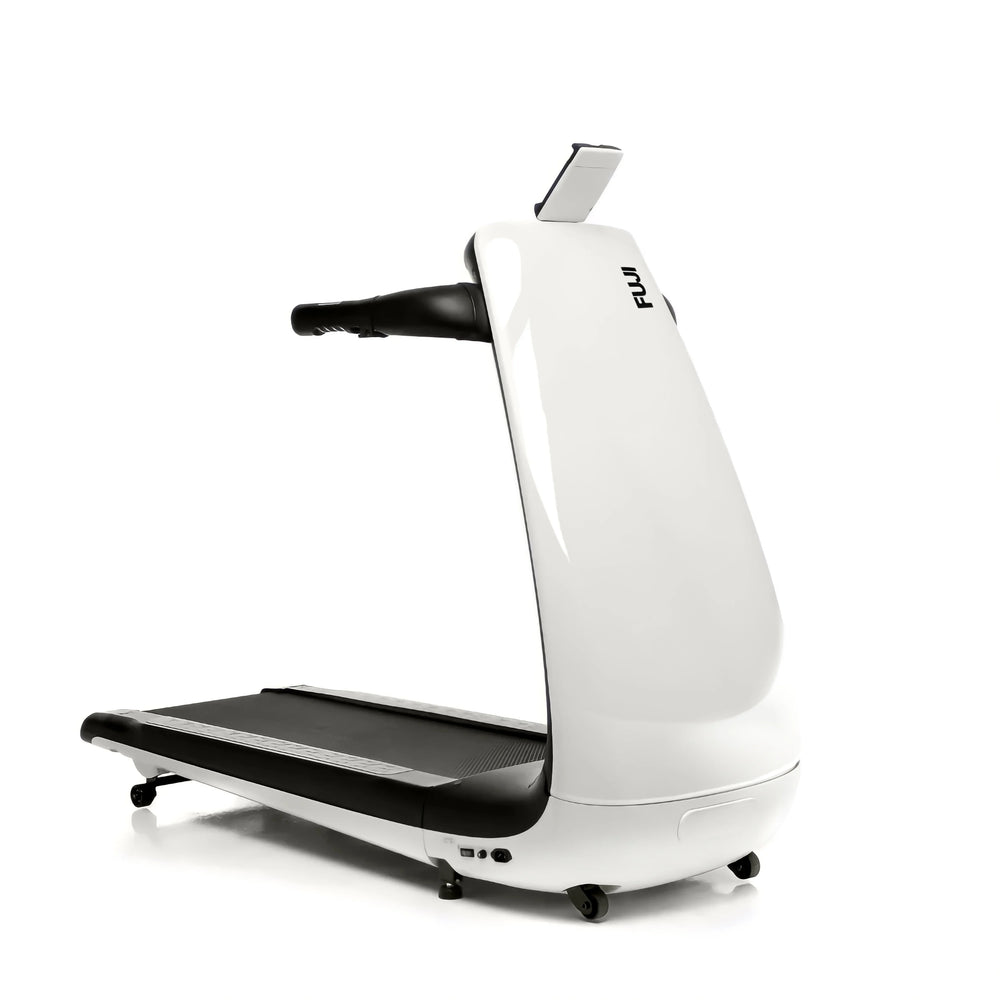
This is why people now choose the best treadmill for home use based on quietness and simplicity, not performance.
Why small sessions win
Large plans create pressure.
Pressure creates avoidance.
Small sessions slip under resistance.
- Ten minutes feels manageable
- Short walks feel optional
- Optional things happen more often
Brian W. (Verified Buyer)
“It took no time at all to set up and is very quiet. I highly recommend this treadmill to everyone.”
Why walking fits real life
Walking does not demand a mindset shift.
You are already upright.
You are already dressed.
The NHS recognises brisk walking as a form of moderate physical activity that can be accumulated in shorter bouts across the day, rather than needing to be completed in one long session. (NHS guidance)
This supports the rise of brisk walking on a treadmill as a practical home routine.
Design beats discipline
Discipline fades.
Design remains.
When movement is easy to begin, it happens without debate.
This is why compact, quiet treadmills now dominate small-space homes.
Final thought
Motivation is a poor foundation.
Environment is a better one.
The routines that survive are the ones that feel normal.
Frequently asked questions
Why does motivation fail at home?
Motivation is inconsistent. Home routines last longer when starting is easy, expectations are modest, and the routine feels normal enough to repeat.
What is the easiest home routine to stick to?
A routine that removes friction tends to last. Short walking sessions are popular because they fit into busy days without needing a big mental build-up.
How do I build a treadmill routine without relying on willpower?
Keep the first step small. Decide on a simple minimum session, keep it repeatable, and focus on doing it often rather than trying to do it perfectly.
Do short treadmill walks actually count?
Yes. Short sessions can add up across the week. Many people use 10 to 20 minutes as a practical starting point for home routines.
Why do compact treadmills work better in small homes?
They fit into real spaces and disrupt daily life less. When equipment feels easy to live with, it tends to get used more often.
What should I look for in a home treadmill for walking?
Prioritise a quiet, simple treadmill with a comfortable walking feel and a compact design that suits the room you will actually use it in.