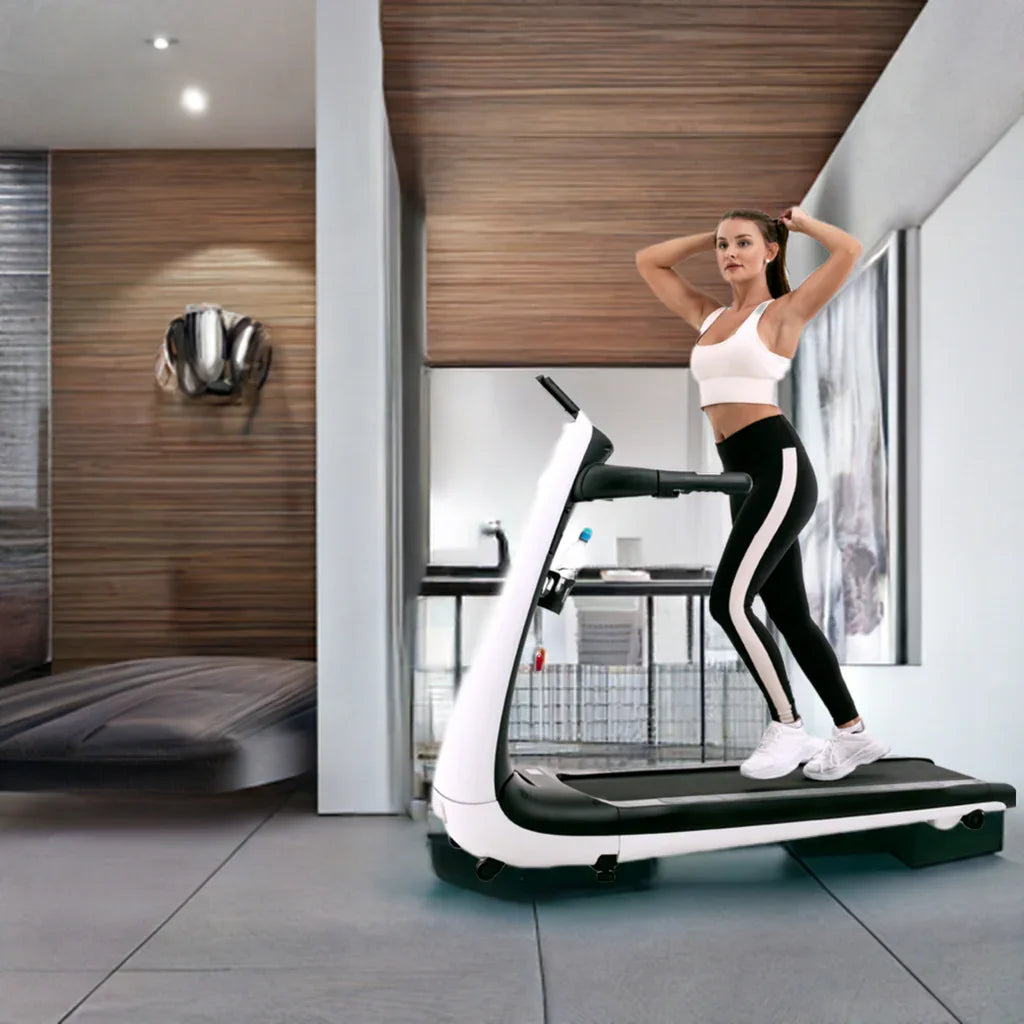



Walking remains one of the most accessible daily movement routines, requiring no complex setup or planning. Across the UK, more people are choosing to carry out their walking routine indoors on a home treadmill rather than relying solely on outdoor routes. The focus is increasingly on consistency and convenience in everyday movement.
When daily schedules become busy or weather conditions change, maintaining a regular walking routine outdoors can be less predictable. Indoor walking provides a fixed environment where time and space are easier to manage throughout the day.
Seasonal Conditions and Routine Consistency
Outdoor walking conditions in the UK vary throughout the year, with changes in daylight hours, temperature, and weather patterns influencing daily routines.
An indoor treadmill provides a consistent environment where walking can take place at any time, independent of external conditions. This allows walking routines to remain steady across different seasons.
A Controlled Indoor Walking Setup
Outdoor walking involves naturally changing environments, including variations in surface, lighting, and surroundings depending on location and time of day.
An indoor treadmill provides a consistent walking surface and controlled setting for each session. Many models also include handrails and emergency stop functions for controlled operation.
- Consistent walking surface throughout each session
- Adjustable walking speeds from slow to brisk pace
- Indoor use independent of weather and daylight
- Flexible timing to suit daily schedules
- Compact design suitable for home environments
Walking Surface and Design Features
Outdoor surfaces such as concrete and tarmac differ in firmness compared to indoor treadmill walking surfaces, which are designed with layered belt systems for a more cushioned walking experience.
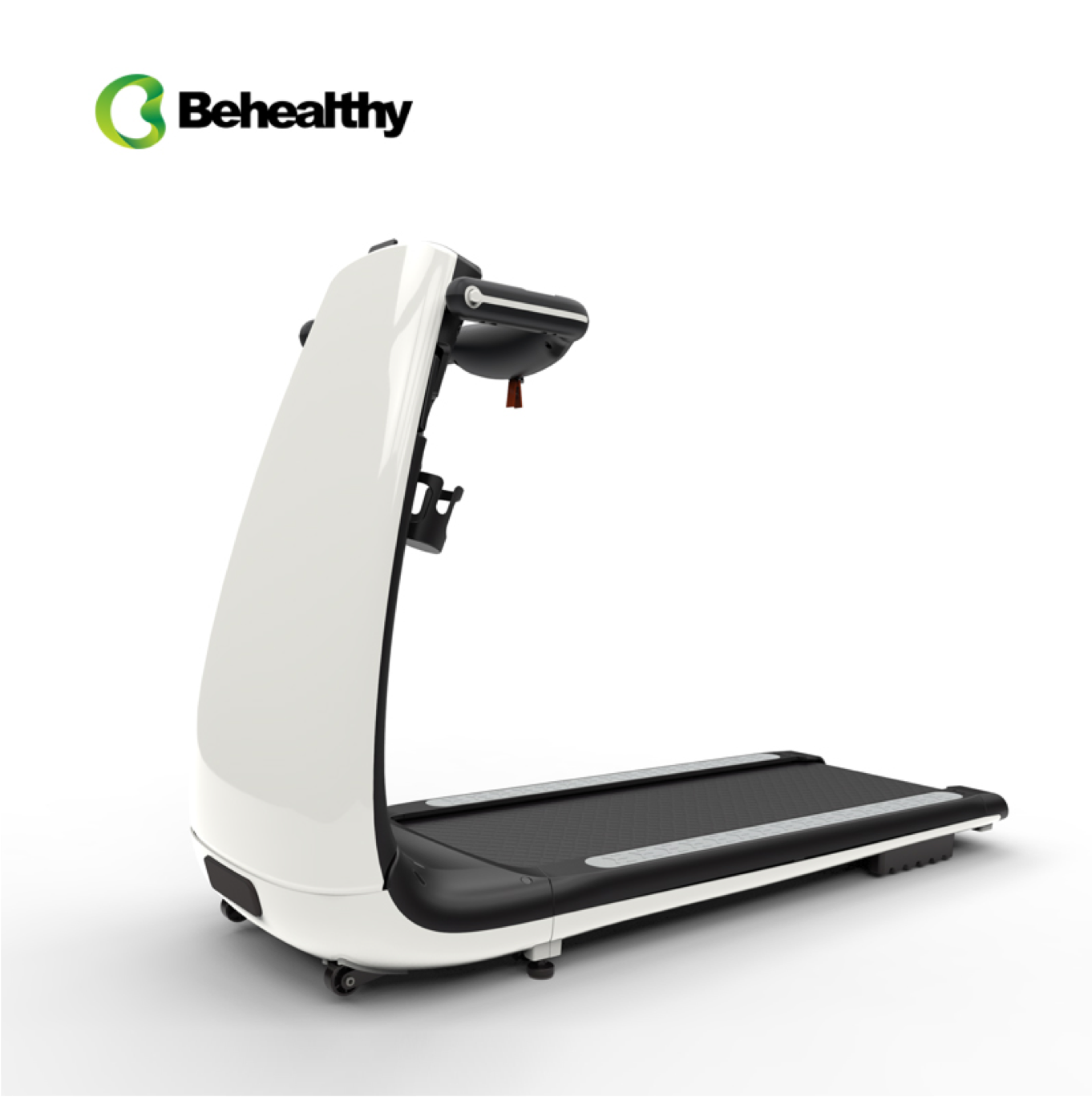
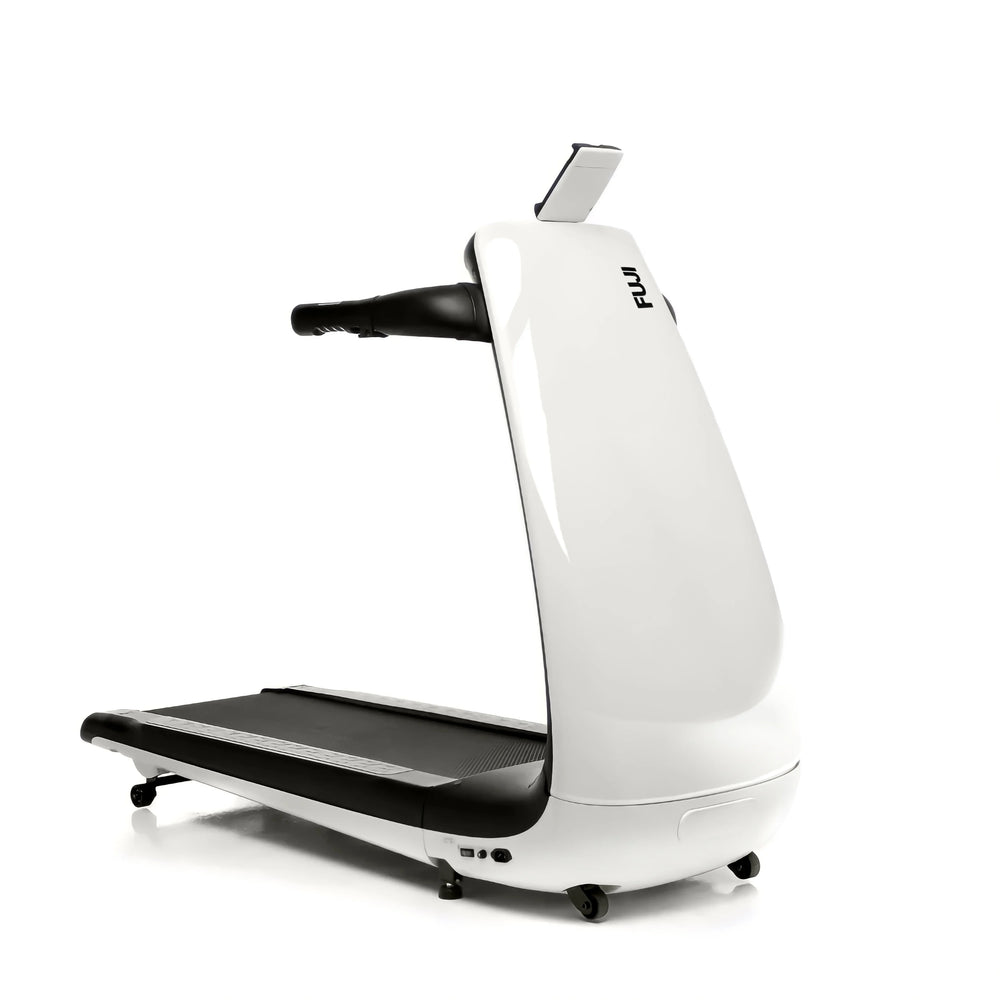
The Fuji BeHealthy treadmill is designed for home walking use with a compact, foldable structure.

The Fuji BeHealthy — compact, foldable design for home walking routines.
Private and Flexible Walking Routines
Indoor walking provides a private environment where pace and timing can be adjusted without external attention. This flexibility allows walking to be integrated into personal routines more easily.
Integrating Walking Into Daily Life
A home treadmill allows walking to be incorporated into everyday activities such as watching television or listening to audio content. This makes it easier to include movement within existing routines.
If you are exploring how to structure your sessions, see our guide to how long you should walk on a treadmill at home.
Indoor and Outdoor Walking Context
The NHS physical activity guidelines focus on total weekly movement rather than location. Walking can therefore be accumulated indoors or outdoors as part of a regular routine.
Outdoor walking provides natural variation in environment, while indoor walking offers a consistent alternative when needed.
Walking in Everyday Schedules
Many people prefer movement options that can be completed without additional travel or preparation time. Indoor walking allows sessions to be fitted into available time throughout the day.
This flexibility supports regular movement habits within structured daily routines.
For more guidance, see our article on brisk walking on a treadmill.
References
- NHS physical activity guidelines for adults aged 19–64. NHS.uk
This article is for general informational purposes only.