

There’s a quiet power in steady walking. Researchers around the world keep returning to the same idea: simple movement, repeated gently over time, can shape the way we feel day to day. And when that walking takes place at home — right there in your own familiar space — it becomes easier to stay consistent.
That’s why compact treadmills have become such a natural fit in UK homes. They remove the barriers that often get in the way of walking: weather, time, uneven pavements, dark evenings. And this consistency is exactly what the research keeps emphasising.

What UK research says about walking
The UK has published some of the clearest, most accessible evidence about walking. Several large-scale reports and academic reviews note that:
- Walking is one of the most accessible forms of physical activity across all age groups.
- Regular walking — even in short bouts — is associated with improved day-to-day wellbeing.
- Consistency matters more than intensity.
- Environment plays a role: people walk more when access is easy and conditions are predictable.
Indoor walking on a treadmill fits that pattern: predictable, safe, always available.
Insights from well-known studies
Several widely cited research findings help explain why at-home walking becomes such a reliable habit:
1. Small, frequent walking sessions add up
A review published in the UK highlighted that people who accumulate movement throughout the day — in short bouts — often build steadier routines than those relying on long occasional walks. The key factor is repeatability.
2. People walk more when barriers are removed
Weather, safety, time constraints and seasonal darkness are the top reasons people reduce outdoor walking. Indoor equipment removes those barriers, making walking more likely to happen.
3. A comfortable walking surface increases adherence
Studies observing home fitness habits show people stick with routines longer when equipment feels physically pleasant to use. A cushioned walking belt — like on the Fuji BeHealthy — plays into this idea of “comfort leading to consistency.”
4. Home walking supports routine building
Behavioural research often shows that habits form more reliably when the environment stays constant. A compact treadmill placed in a familiar corner becomes a subtle visual cue that nudges daily movement.
5. Age doesn’t limit routine walking
Research following older adults found that steady, repeatable movement — like home walking — is accessible across age groups and doesn’t require external conditions or specific terrain.
Why compact treadmills fit what the research suggests
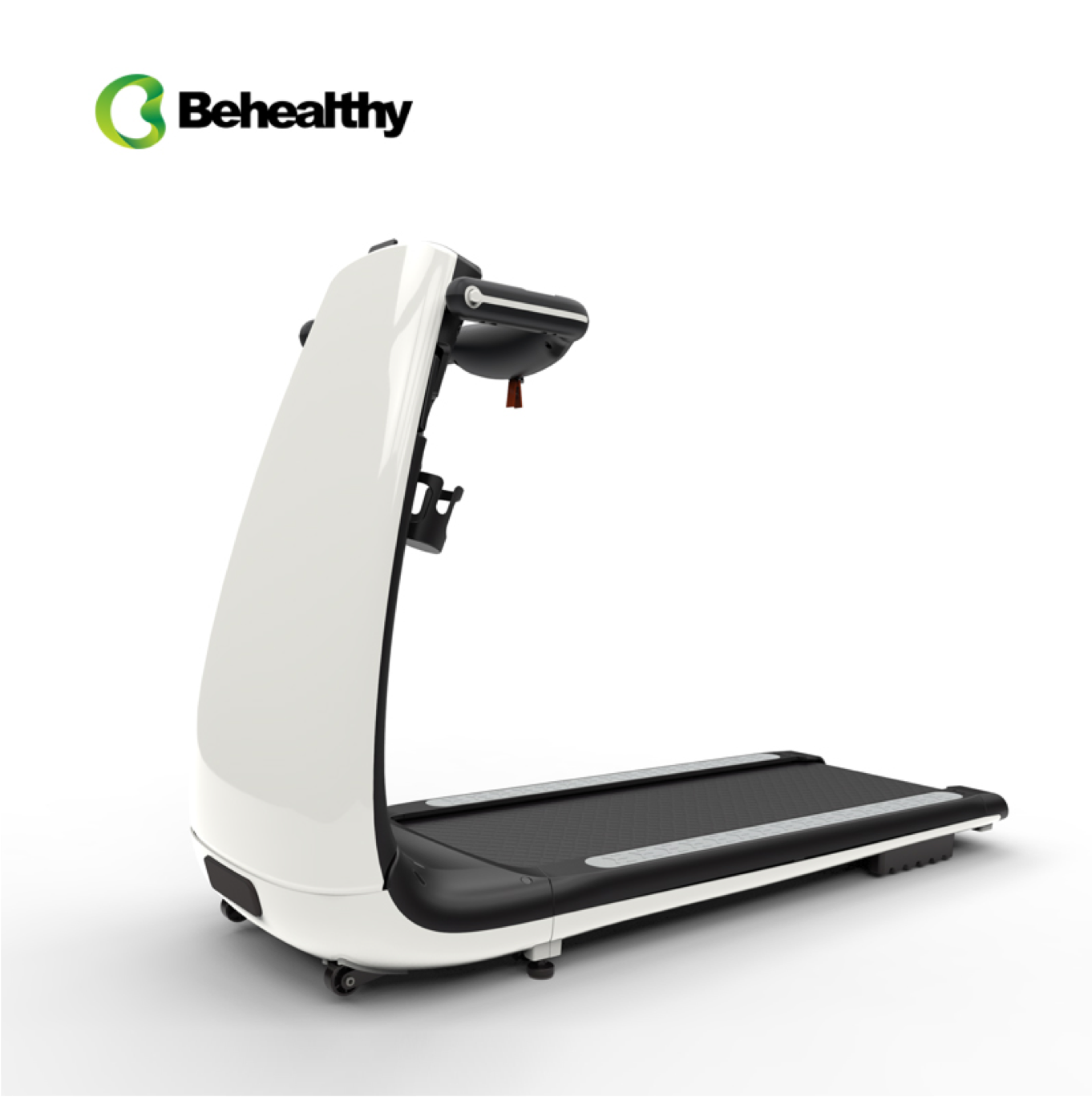
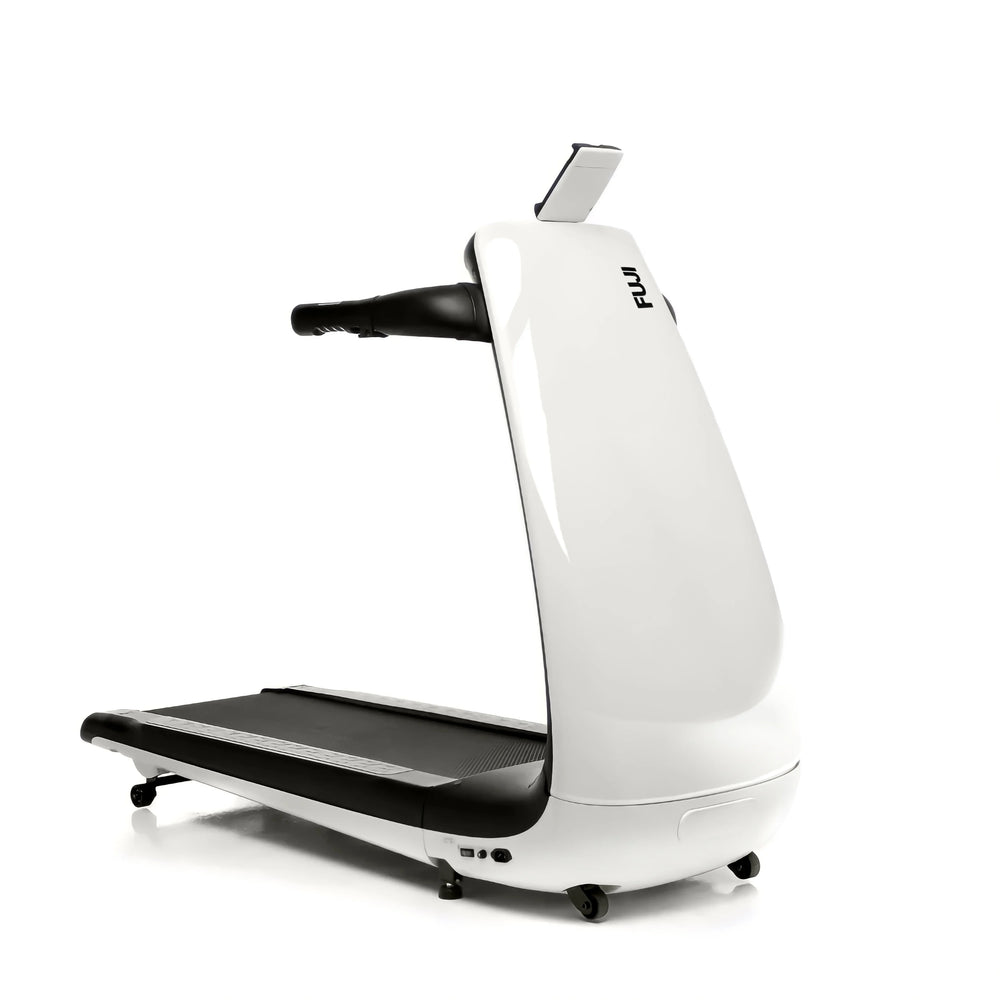
The Fuji BeHealthy treadmill aligns naturally with the principles highlighted across UK and international studies:
- A cushioned belt that supports a comfortable, steady stride.
- A compact footprint that stays out of the way until you need it.
- Quiet performance that makes short daily sessions easy at any time.
- Ready-built design that encourages immediate use.
It’s the research idea of “make movement easy and it becomes more frequent” translated into a physical object.
How indoor walking looks in everyday life
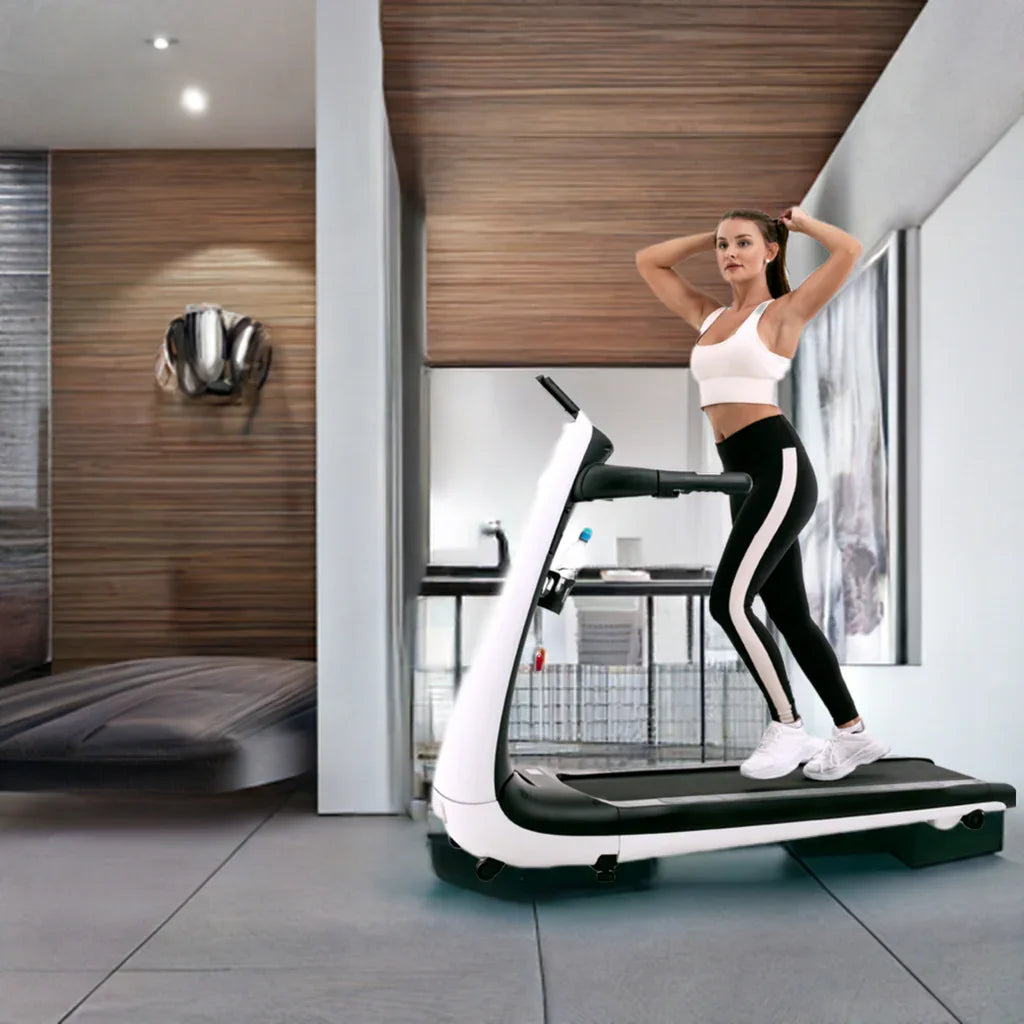
Here’s a short look at how a compact treadmill fits naturally into a UK home — smooth, steady and part of the daily rhythm:

FAQ: Research-based questions about walking at home
Does research support short walking sessions?
Many reviews note that shorter, more frequent bouts of walking can create stronger long-term routines than infrequent long sessions.
Do people walk more when equipment is nearby?
Yes — multiple behaviour studies suggest that removing barriers increases the likelihood of walking.
Is home walking suitable across age groups?
Research observing older adults highlights that steady indoor walking is accessible for a wide range of ages.
Does a comfortable treadmill surface matter?
Yes — research into long-term adherence shows people are more consistent when equipment feels pleasant to use.
Does indoor walking have to be fast to be worthwhile?
No. Most research emphasises consistency and repeatability rather than speed.
Why do compact treadmills keep showing up in routine-building research?
Because they’re easy to access, predictable, and always ready — conditions that support regular movement.
A gentle sign-off
Research doesn’t complicate the story — it simplifies it. The small, steady things you do each day often matter the most. And when movement becomes convenient, comfortable and familiar, it naturally becomes part of life.
If you’d like a compact treadmill that fits how real homes function, the Fuji BeHealthy is crafted for everyday walking. You can also explore our small treadmill collection for more ideas.