

After 50, the most effective kind of fitness is the kind that fits into everyday life. Not a short-lived plan, but a routine built on steady movement, good posture, and repeatable habits that work inside the home.
This is where Tai Chi walking pairs naturally with a walking treadmill. Tai Chi, also known as Taijiquan, is based on controlled, deliberate movement. Tai Chi walking follows the same principles: slower steps, smooth weight transfer, upright posture, and unforced breathing. On a treadmill, the pace remains consistent, making it easier to focus on how you move rather than how fast you move.

What is Tai Chi walking?
Tai Chi walking is not about covering distance or increasing speed. It is about control, balance, and consistency.
- Measured cadence – steps are even and deliberate.
- Weight awareness – feeling each shift from heel through to toe.
- Upright posture – head balanced, shoulders relaxed, arms natural.
- Breath coordination – breathing follows the rhythm of walking.
This approach turns walking into a structured daily practice rather than a task to get through.
Why a treadmill supports Tai Chi–style walking
Outdoor walking is valuable, but it is not always practical. Weather, light, and uneven ground can interrupt routine. A treadmill removes those variables. The surface stays the same, the pace stays controlled, and the environment stays familiar.
For Tai Chi walking, this consistency matters. It allows attention to stay on posture, foot placement, and rhythm without interruption.

A practical Tai Chi walking routine at home
This routine is designed to be repeatable, not demanding.
Start slower than usual
Select a walking speed that allows full control of posture and step placement. The aim is steadiness, not exertion.
Maintain a tall, relaxed stance
Stand upright without stiffness. Let the shoulders drop naturally and allow the arms to swing freely.
Focus on the step sequence
Each step rolls from heel to midfoot to forefoot in a continuous motion. Avoid rushing.
Keep attention on one simple cue
This could be posture, breathing rhythm, or foot placement. One focus point is enough.
Finish while it still feels manageable
Stopping before fatigue builds makes it easier to return the next day.
What studies say about Tai Chi and walking in older adults
Research into Tai Chi has consistently focused on balance, coordination, and controlled movement in older populations. Large reviews, including Cochrane analyses, have found that exercise programmes incorporating Tai Chi are associated with improvements in balance-related measures in community-dwelling older adults.
More recent studies have explored combining walking with Tai Chi principles. A 12-week programme pairing brisk walking with Taijiquan practice in older women reported improvements in flexibility, lower-body strength measures, and balance-related outcomes.
Selected research
- Cochrane Review (2019): Exercise for preventing falls in older people living in the community.
- Meta-analysis (2023): Randomised controlled trials on Tai Chi and balance outcomes in older adults.
- PLOS ONE (2023): Combined brisk walking and Taijiquan training in older women.
Choosing a treadmill for Tai Chi walking
A treadmill used for Tai Chi–style walking should support steady, repeatable use rather than high-intensity training.
- Compact design that fits naturally into living spaces
- Ready-built construction that avoids lengthy assembly
- A walking surface designed for consistent daily use
- A clear, simple display for basic tracking
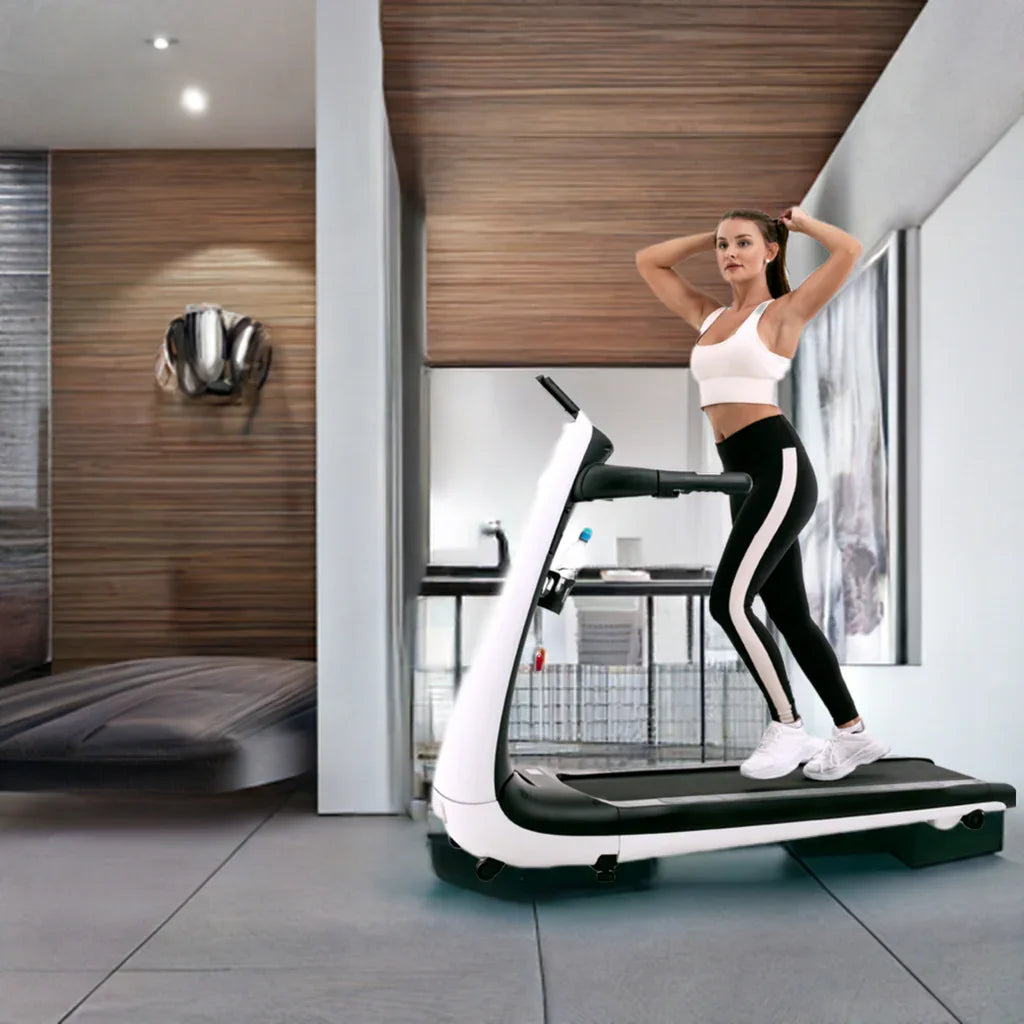
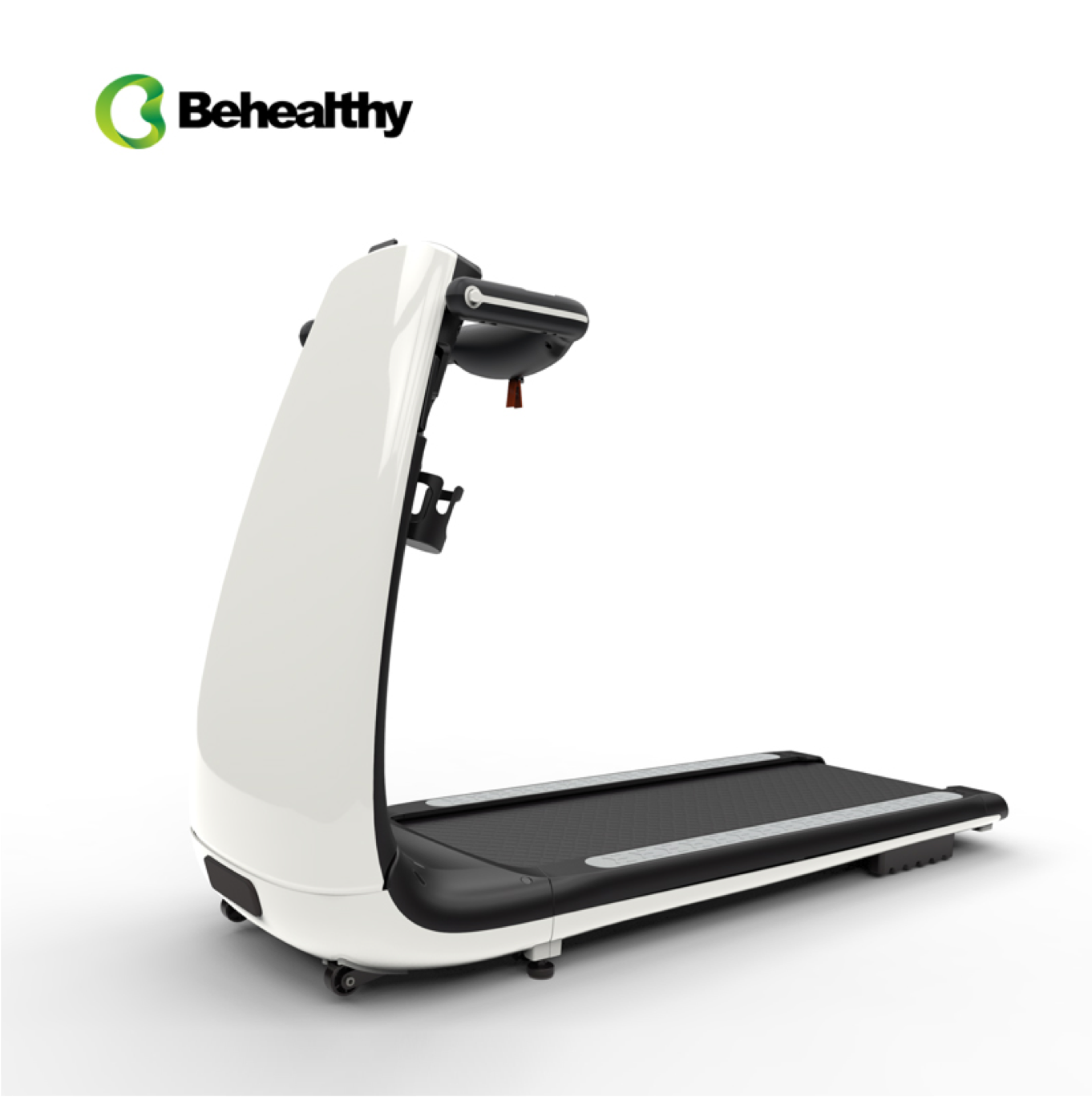
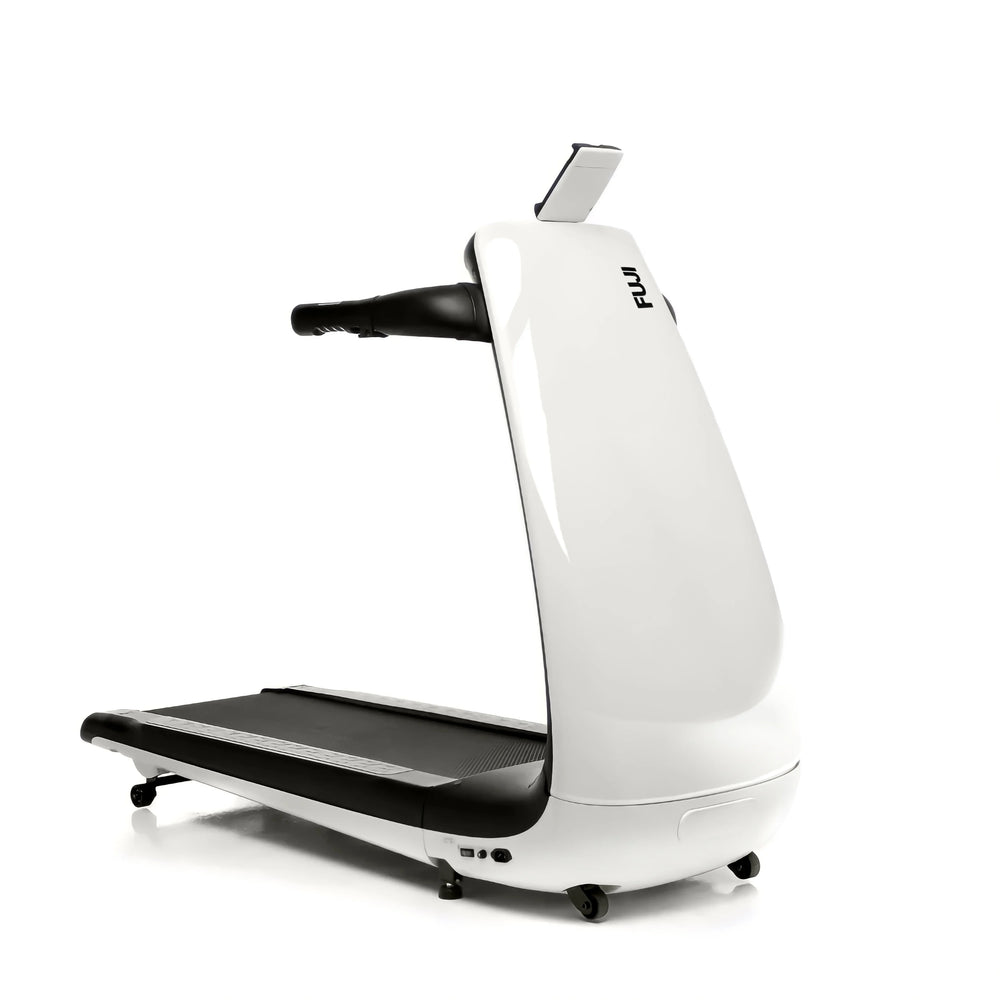
The Fuji Health BeHealthy treadmill is often selected for this type of routine because it supports regular walking without dominating the room or the day.

FAQ
Is Tai Chi walking different from normal walking?
It is still walking, but with greater attention to posture, weight transfer, and step control.
How long should sessions be?
Many people begin with 10 to 20 minutes and build gradually. Regularity matters more than duration.
Do I need special footwear?
Comfortable walking shoes that feel stable are sufficient.
Should handrails be used?
Some users prefer a light touch initially. Over time, many aim for relaxed arm movement.
Steady progress over time
Tai Chi has always emphasised consistency over intensity. Using a treadmill for mindful, controlled walking brings that philosophy into the home. The result is a routine that supports movement as part of daily life, not a separate event.
Step by step, routine becomes habit.