

2026 • Brisk walking • Home treadmill
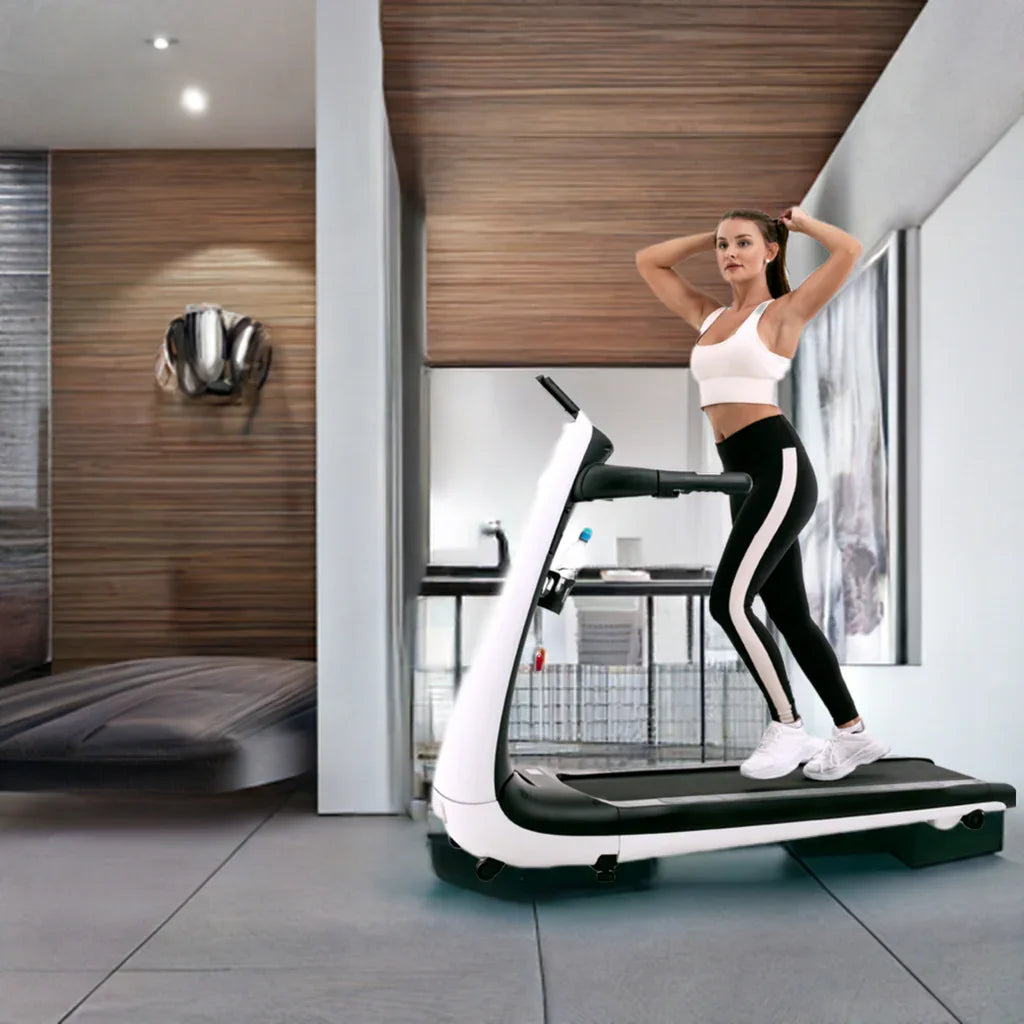
Short answer: Brisk walking on a treadmill usually means walking fast enough to feel purposeful, slightly raise breathing, and maintain the pace comfortably. In practice, it is less about a fixed number and more about how the pace feels.
Why people search for a number
Most people want certainty.
A number feels reassuring.
It feels measurable and safe.
But brisk walking is personal.
Age, stride length, fitness level, and confidence all matter.
This is why modern guidance focuses on effort rather than chasing exact speeds.
How brisk walking should feel on a treadmill
Brisk walking sits between casual walking and jogging.
It should feel active but controlled.
- You are walking with purpose
- You can talk in short sentences
- Your breathing is quicker but steady
- The pace feels repeatable
Simple test: if you could keep the pace for 10 to 20 minutes without dread, it is likely brisk for you.
Typical brisk walking speeds people use
Many people still prefer a reference point.
That is understandable.
On a treadmill, brisk walking often falls into a moderate walking range.
Some people start slower and naturally increase over time.
The key is not to treat speed as a target.
Treat it as a guide.
Why brisk walking works better than chasing speed
Speed-based goals often fail at home.
They create pressure.
Brisk walking succeeds because it fits daily routines.
- Short sessions feel achievable
- Consistency improves naturally
- There is less mental resistance
This is why brisk walking is central to choosing the best treadmill for home use in the UK.
How treadmill choice affects walking pace
The treadmill itself matters.
A noisy or awkward machine breaks rhythm.
For home use, people tend to walk more comfortably on treadmills that are:
- Quiet and smooth
- Simple to control
- Compact and non-intimidating
This is especially true with a folding treadmill for small spaces.
How long should brisk walking sessions last
Long sessions are optional.
Regular sessions matter more.
- 10 minutes still counts
- 15 to 20 minutes fits most homes
- Short sessions add up across the week
This approach aligns naturally with the principles explained in our brisk walking home guide.
Final thoughts
Brisk walking speed is not a competition.
It is a personal rhythm.
The best pace is the one you return to tomorrow.
Frequently asked questions about brisk walking on a treadmill
What speed is considered brisk walking on a treadmill?
Brisk walking on a treadmill means walking at a pace that feels purposeful and active. You should be able to speak in short sentences, but not comfortably hold a long conversation.
Is brisk walking on a treadmill the same as running?
No. Brisk walking keeps at least one foot on the treadmill at all times and feels controlled. It does not involve jogging or running movements.
How long should a brisk walking treadmill session last?
Brisk walking sessions can be short. Ten minutes still counts, while many people find 15 to 20 minutes fits easily into daily home routines.
Does brisk walking on a treadmill count as exercise?
Yes. Brisk walking is widely recognised as a form of moderate activity and is commonly included in everyday movement routines.
Is brisk walking suitable for home treadmills?
Brisk walking works well on home treadmills because it requires less space, less preparation, and feels easier to repeat compared to high-intensity workouts.
Do I need to walk at the same speed every time?
No. Brisk walking is personal. Your pace can change from day to day depending on energy levels, time available, and comfort.