

Many people recognise the after-meal slump: the body feels heavy, focus fades slightly and energy dips. This is not unusual. The body is simply shifting toward rest and processing the meal. A short, comfortable walk can encourage the body to move through this transition with more ease.
We are not looking for exercise in the formal sense — just steady movement. A brisk walk at a natural pace is enough to help the body feel lighter and more settled after eating.
Because daily life is busy and weather is unreliable, having a place to walk inside the home allows this routine to be maintained consistently.

Why a Short Walk After Eating Feels Helpful
After a meal, the body naturally shifts resources toward processing food. When we add gentle movement:
- The body remains awake and alert
- The muscles stay lightly engaged
- The breath remains steady and natural
- The feeling of heaviness is reduced
The goal here is not to “burn anything off” — it is to stay comfortably active while the body adjusts.
Why Brisk Walking Works Well for This
Brisk walking is one of the easiest forms of movement to repeat daily. It requires no technique, no preparation and no intensity. The body already knows how to do it. The pace is simple:
A pace where conversation is comfortable, but the body feels engaged.
This keeps the effort steady and allows the walk to be pleasant rather than tiring.
Why Walking at Home Makes the Routine Possible
Many people like the idea of walking after meals, but real life interferes — weather, time, clothing, daylight. Walking indoors removes those barriers, making the routine more reliable.
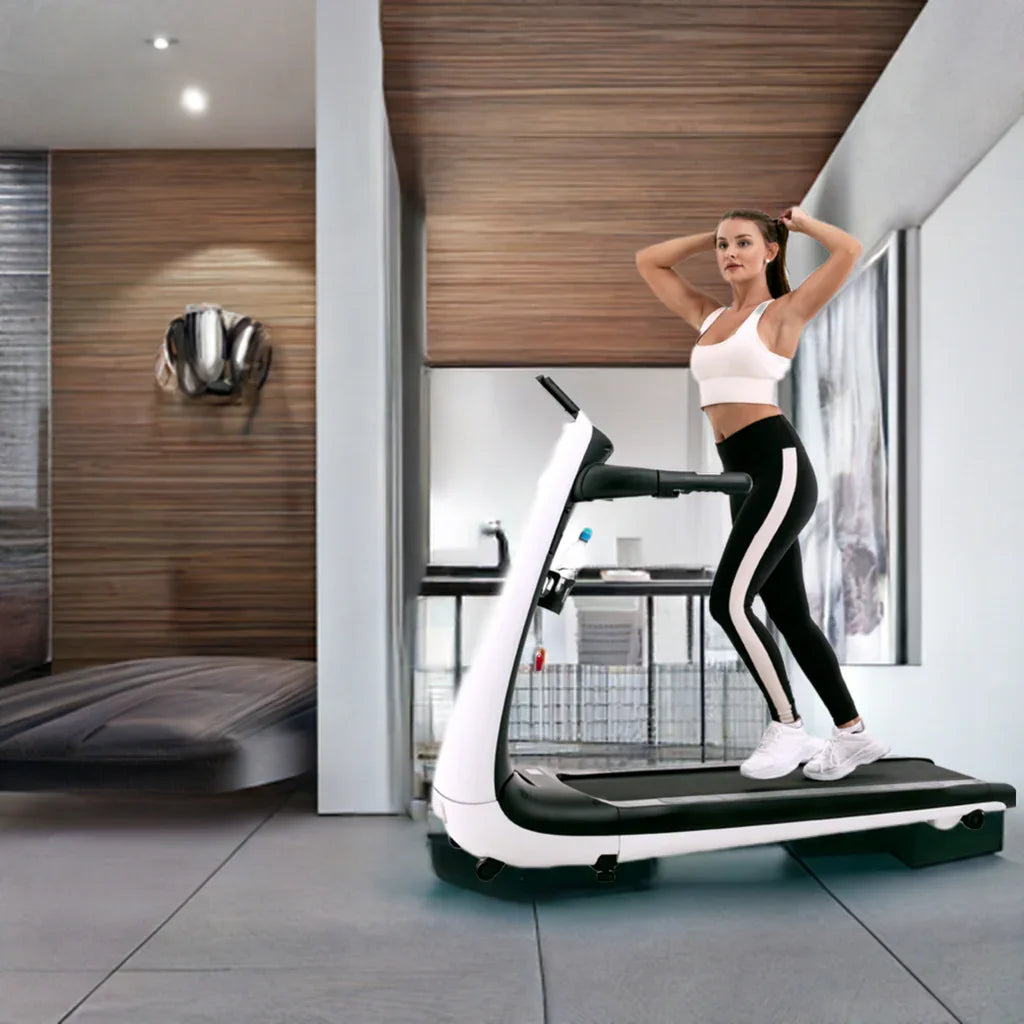
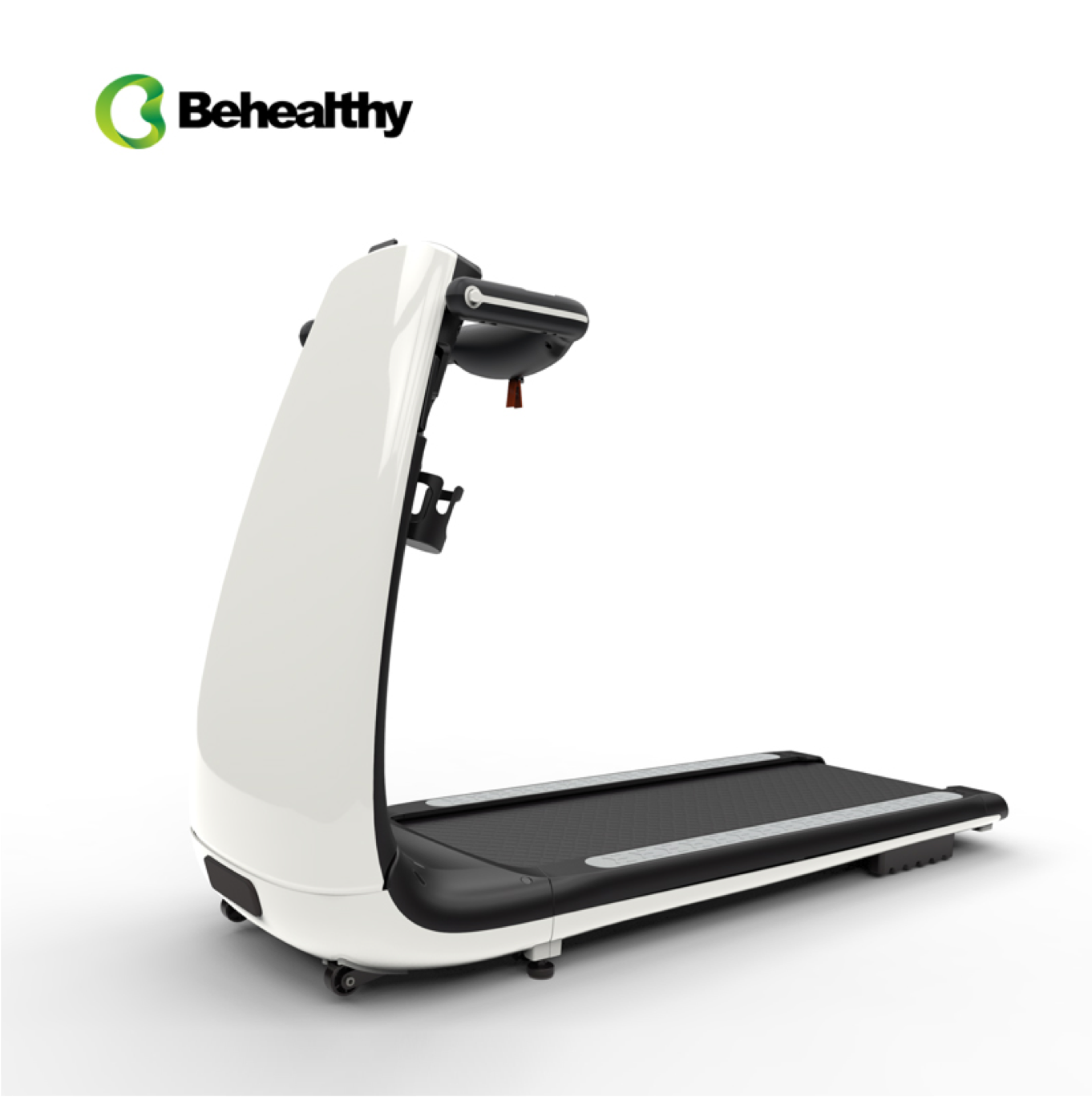
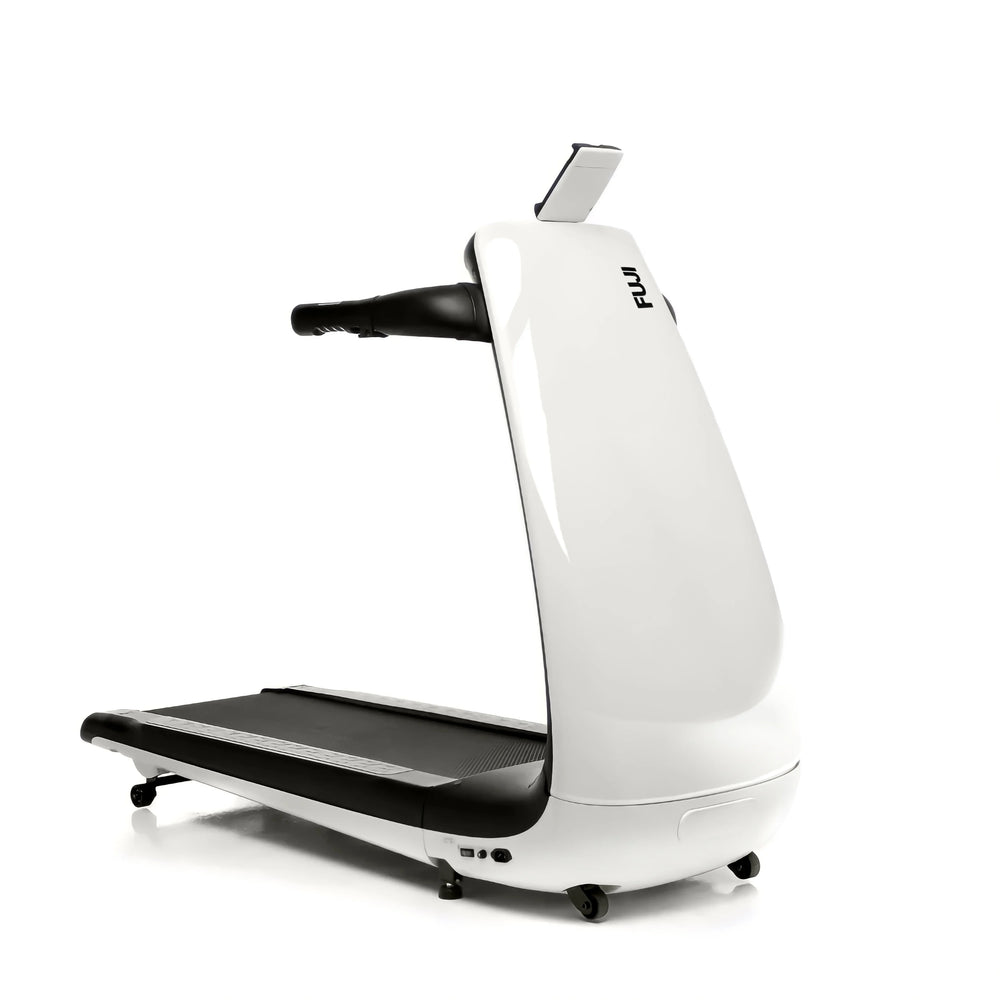
The Fuji BeHealthy treadmill supports this by being:
- Compact — suitable for smaller rooms and flats
- Quiet — appropriate for mornings or evenings without disruption
- Easy to fold — the room remains functional
- Smooth underfoot — comfortable for everyday use

The 10–15 Minute Walk Routine (20–30 Minutes After Eating)
- Wait 20–30 minutes after finishing your meal.
- Begin with 1–2 minutes of gentle walking to find your pace.
- Walk briskly for 10–15 minutes — comfortable and steady.
- End with 1–2 minutes of slower walking.
No strain. No targets. Just consistent movement.
What People Usually Notice Over Time
- A lighter, more comfortable feeling after meals
- A smoother transition back to work, conversation or rest
- More steady energy throughout the day
- A feeling of daily rhythm rather than fluctuation
The shift is practical and cumulative.
A Routine That Fits Quietly Into Daily Life
There is nothing dramatic about this practice — and that is precisely why it works. It does not require motivation, weather, planning or equipment changes. It asks very little from the day, yet offers structure and steadiness in return.
Explore the Fuji BeHealthy compact folding treadmill →
Frequently Asked Questions
How long should I wait after eating before walking?
Most people find 20–30 minutes after finishing a meal feels comfortable. This gives the body a moment to settle before moving.
How fast should the walk be?
A natural brisk pace — where breathing is steady and conversation is still comfortable. There is no need for intensity.
How long should the walk last?
10–15 minutes is usually enough to create a sense of lightness and steady energy. Consistency matters more than duration.
Is this the same as exercise?
This is more about rhythm than exertion. The aim is simply to stay gently active, not to “work out.”
Do I need special shoes or clothing?
No. Comfortable everyday clothing and soft, supportive footwear are sufficient. The BeHealthy’s cushioned belt helps make steps feel natural.
Can I do this routine in the morning or evening instead?
Yes. Walking at any time of day is supportive. Many people simply find after meals convenient and easy to maintain.